Sharing data across the skies
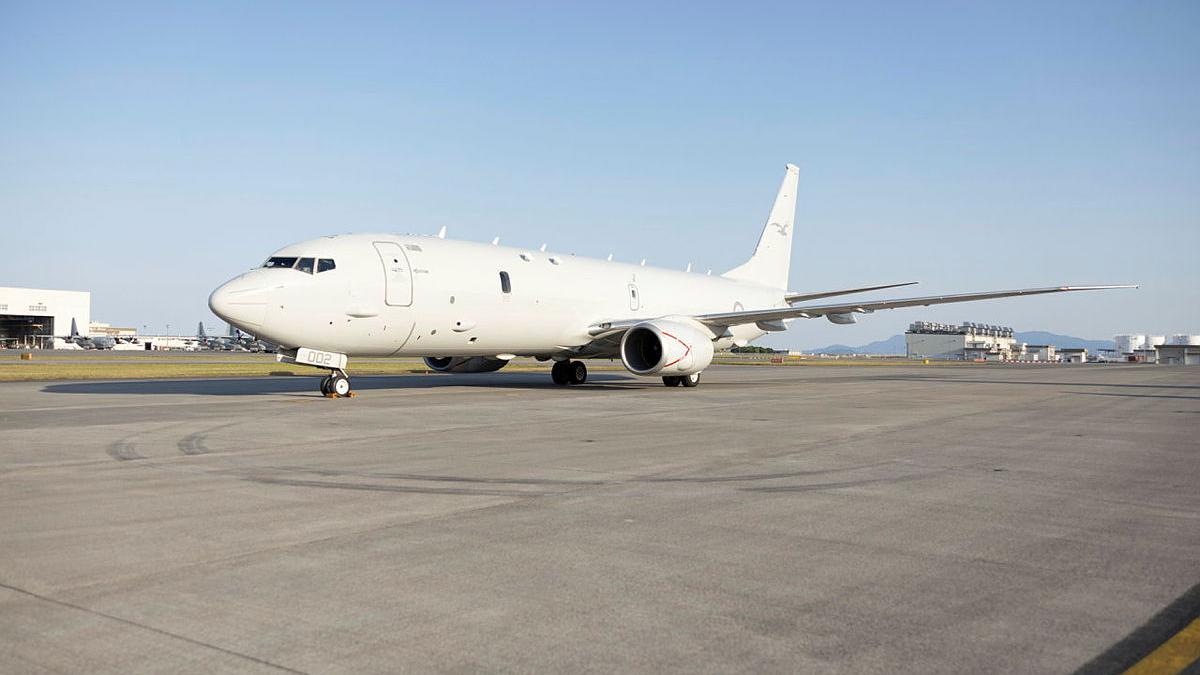
At 30,000ft over the Pacific Ocean, sharing information to a network is just as critical as it is when you’re on the ground.
Last month, aviators from Australia and Japan shared information through the tactical battlefield network during a unique airborne exercise.
The exercise involved a RAAF P-8A Poseidon and a Japan Air Self-Defense Force (JASDF) Kawasaki RC-2 aircraft, each flying from air bases in Japan.
Both aircraft are an important part of how each country conducts its ISR missions.
The significance of this activity is reflected in senior leadership talks between Australia, Japan and the US.
In May 2025, defence ministers from all three countries committed to increasing their trilateral ISR cooperation.
WGCDR Andrew Fisher, Australian Air Force attaché to Japan, said the exercise built on previous engagements by RAAF P-8A aviators with Japan and the US.
“We want ISR crews from Australia, Japan and the United States to be linked and exchanging data together,” WGCDR Fisher said.
“We conduct around one or two ground-based exchanges each year to build our relationships, with the most recent one at Kadena (in Okinawa) in October 2025.”
ISR platforms like the P-8A and RC-2 carry specially trained crew and powerful sensors, which collect information and build a detailed picture of their battlespace.
The tactical network can share that picture with other aircraft, ships and units in the battlespace, allowing other crews and commanders alike to make more informed decisions about their mission.
Ground-based cooperation and airborne exchange activities are essential to ensuring information can be shared on the network when it matters.
“Most of the hard work is done in the lead-up to conducting the flight, ensuring that everyone is using the right network and can successfully join,” WGCDR Fisher said.
“If the preparation isn’t done beforehand through exchanges like this, then solving any problems in the air can be difficult – particularly in a bilateral or multilateral context.
“Demonstrating we can do it once is important to ensuring we can bring this cooperation to future exercises and operations between Australia, Japan and the United States.
“What we learn by connecting our P-8A to Japanese and American aircraft can then be used to inform how we apply this to other RAAF aircraft in the future.”
Related stories


