Seamless integration among allies
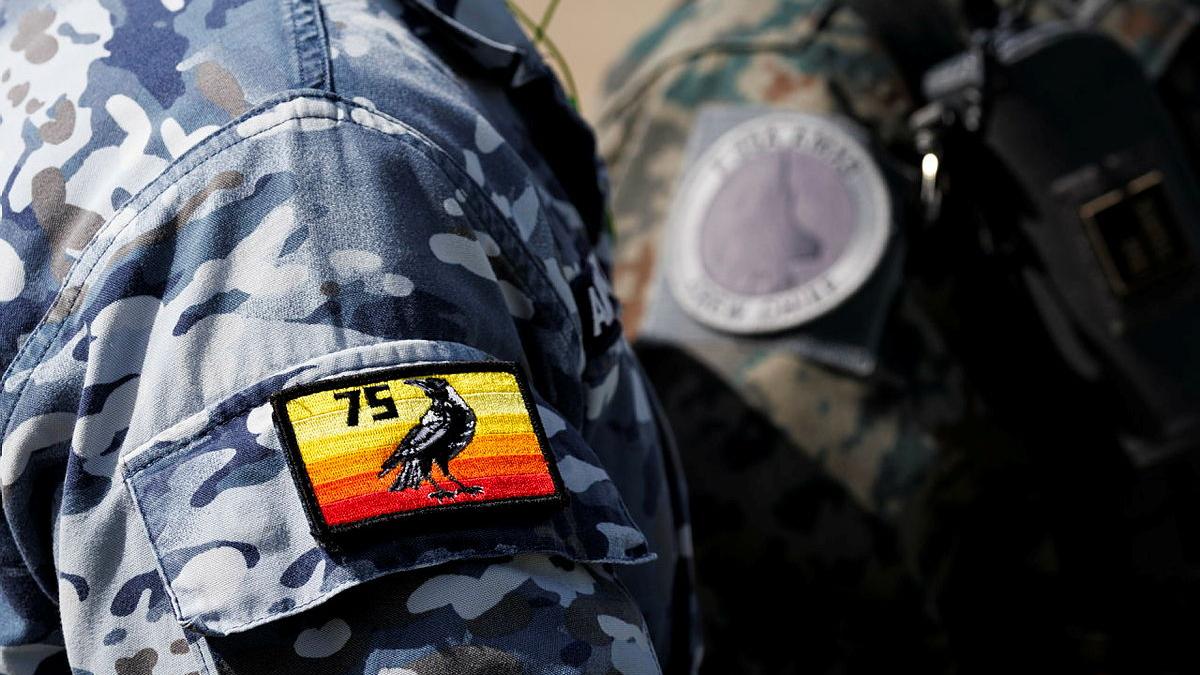
About 300 ADF personnel completed Exercise Keen Sword 27 in Japan, contributing Australian capability and expertise across air, maritime, cyber and space operations during two weeks of complex multinational training.
The Australian contingent included a RAAF P-8A Poseidon, Anzac-class frigate HMAS Stuart, specialist cyber and space teams, exercise control staff and ADF personnel embedded with Japanese and US units.
Held from October 19 to 29, Keen Sword brought together forces from Japan, the US, Australia, Canada, France, Germany, the Netherlands, New Zealand and the Philippines to strengthen interoperability and the ability to operate together.
Australian Contingent CDR for Exercise Keen Sword 27, SQNLDR Peter Doyle, said the exercise demonstrated the breadth of capability Australia could contribute to a major multinational training activity.
“Australia brought highly skilled people to Keen Sword who were able to contribute their expertise while also learning from some of our closest allies and partners,” SQNLDR Doyle said.
“From maritime activities through to cyber and space, our people integrated into a much larger force and demonstrated the professionalism, adaptability and expertise the ADF brings to multinational operations.”
Australian personnel worked alongside international counterparts across land, maritime and air operations, as well as the space, cyber, electromagnetic, information and logistics domains.
SQNLDR Doyle said the ability of ADF personnel to integrate quickly and effectively with international partners was a key strength of Australia’s contribution.
Across the exercise, participants conducted 161 individual training events, including eight live-fire exercises. Pilots flew 366 sorties and personnel conducted about 130 air jumps.
“One of the strengths Australia brought to Exercise Keen Sword was our people’s ability to step into a multinational environment, understand what was required and work effectively alongside our partners,” SQNLDR Doyle said.
“We weren’t operating in isolation. Australian personnel were integrated into activities with our partners, sharing knowledge, solving problems together and contributing to the broader exercise objectives.”
The maritime component included large-scale anti-ship training integrating sea, air, ground, space and cyber capabilities.
Exercise Keen Sword 27 was one of the largest iterations of the exercise, involving about 45,000 Japan Self-Defense Force personnel and 11,000 US personnel, alongside forces from partner and allied nations.
About 200 aircraft and 40 ships participated, including the Theodore Roosevelt Carrier Strike Group.
Across the exercise, participants conducted 161 individual training events, including eight live-fire exercises. Pilots flew 366 sorties and personnel conducted about 130 air jumps.
The exercise also tested the ability of participating forces to adapt to changing circumstances.
Shortly after the exercise began, the approach of Typhoon Champi toward Japan’s southwest islands presented an unexpected challenge, requiring exercise leaders to rapidly adapt training activities while maintaining operational objectives in a dynamic and evolving environment.
Keen Sword was conducted in and around Okinawa, the Sakishima Islands, Tanegashima, the Sea of Japan and the East China Sea, as well as surrounding waters and airspace.
Related stories


