Mission ready from the ground up
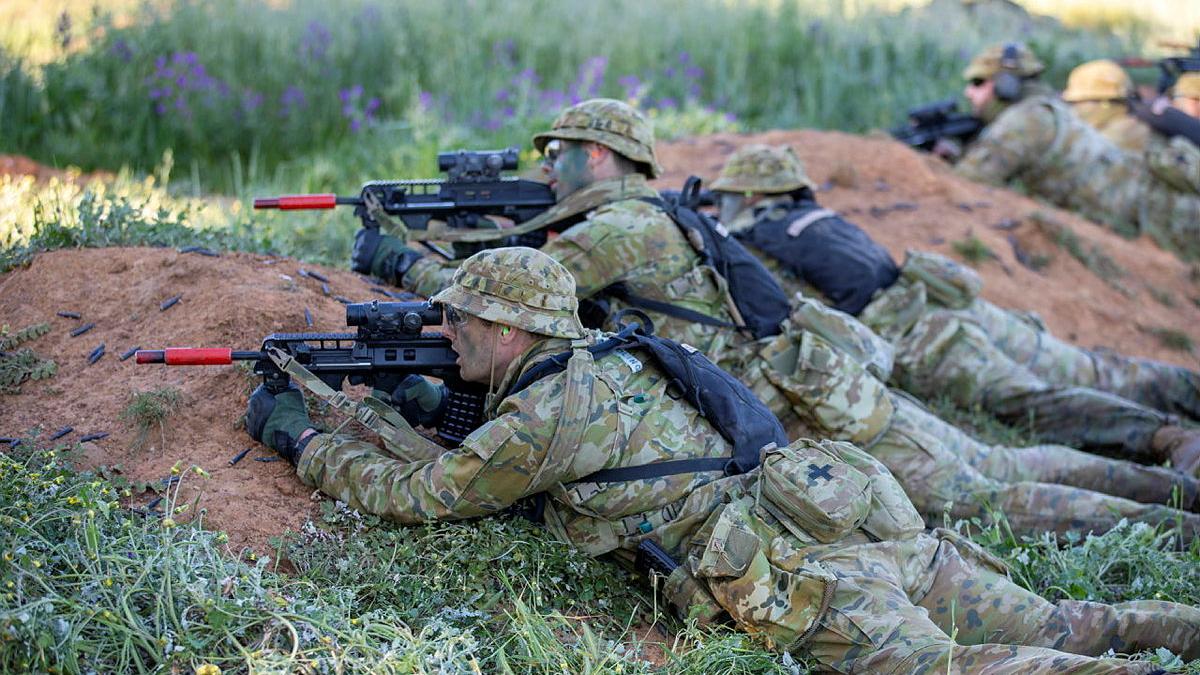
Protecting an airbase starts with aviators who can respond when it comes under threat.
At RAAF Base Wagga, Exercise Rabaul brings together recruits’ ground defence skills in a five-day field exercise towards the end of their 10-week initial course at 1RTU.
During the activity, recruits establish a position, build defences and maintain sentry duties, while military instructors acting as an opposing force challenge their responses. They must communicate and work together as conditions change and fatigue builds.
Those demands serve a wider purpose: developing mission-ready aviators who can contribute to effective teams and help keep bases operating.
CO 1RTU WGCDR Jodie Mason said a mission-ready aviator brought more than military skills to their future role.
“It is an aviator who demonstrates the values, mindset, discipline, resilience and teamwork required to contribute effectively from day one in their future mustering and unit,” WGCDR Mason said.
“Training progressively links individual actions to wider operational effects, helping recruits appreciate how their contribution supports team success and Air Force capability.”
Ground Defence Flight CDR FLTLT Scott Marshall said the exercise had been updated to better prepare aviators for current and emerging threats, reflecting contemporary operations.

“The changes increase exposure to opposing force activity and require a greater application of passive defence principles, enhancing resilience, situational awareness, decision making and combat behaviours,” FLTLT Marshall said.
Those principles include camouflage, concealment, dispersion and redundancy – measures that help protect people and equipment, and preserve the ability to operate under threat.
Encounters range from staged protests at the entry control point to simulated attacks, requiring recruits to assess each situation and respond appropriately within the laws of armed conflict.
“During the scenarios, they need to make decisions on their feet,” FLTLT Marshall said.
The revised extraction brings those skills together. Following simulated indirect fire and a ground assault, recruits must recover equipment left by other Australian forces before withdrawing. They patrol, establish security and return the equipment while responding to further mock attacks.
Corporals accompany each section throughout Rabaul, assessing individual performance and identifying where additional training is needed.
FLTLT Marshall said the updates helped aviators protect themselves and maintain operational effectiveness.
WGCDR Mason linked that preparation to Defence’s readiness requirements in increasingly contested environments.
“By developing skilled, resilient aviators from the beginning of their careers, Air Force creates stronger mission-ready teams and more capable mission-ready bases,” she said.

Related stories


