Life’s a hotel for Stirling seahorses
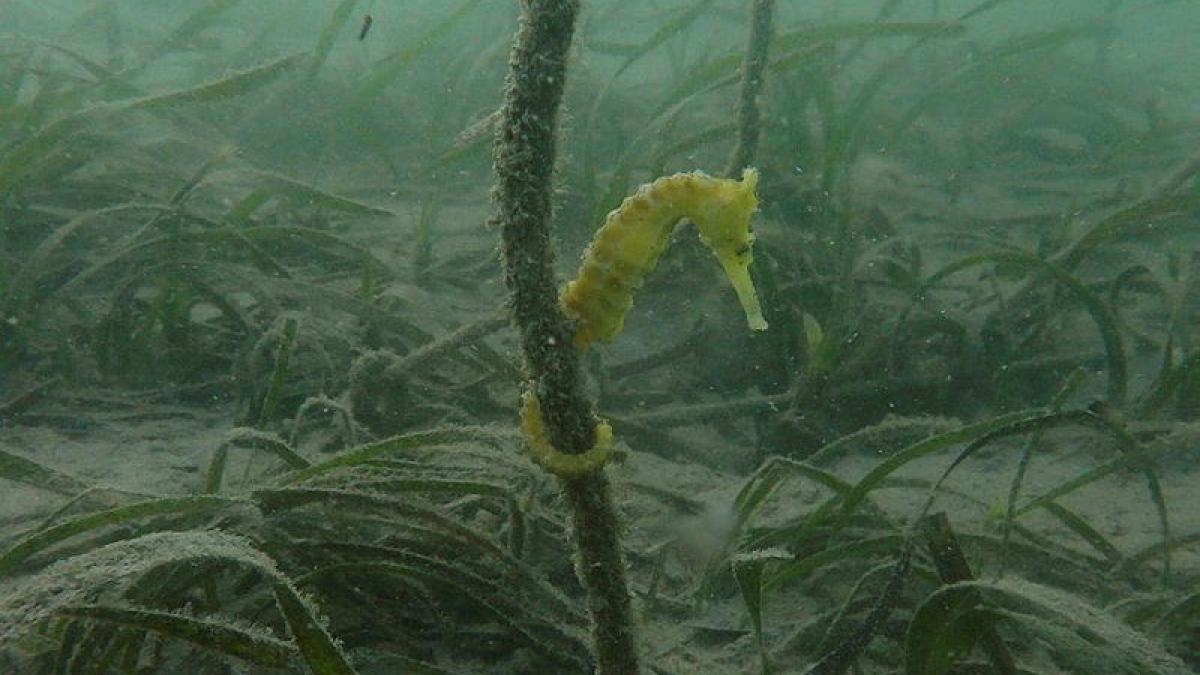
Defence is protecting marine life from potential construction impacts near HMAS Stirling in Western Australia.
Relocating seahorses and pipefish to specially designed ‘seahorse hotels’ placed close to Stirling helps safeguard the vulnerable marine species.
The initiative forms part of the Environment Protection and Biodiversity Conservation Act 1999 (Cth) approval conditions required for the Submarine Rotational Force – West Priority Infrastructure project.
Seahorses and pipefish belong to the syngnathid family, a unique group of fish known for their delicate habitats and behaviours.
Before being moved, marine ecologists carefully identify suitable release sites that closely mirror the species' natural environment, ensuring they can survive, settle and continue their normal behaviour.

A key feature of the program is the use of the specially constructed habitats or ‘seahorse hotels’ that are made from rebar or fabricated mild-steel cages fitted with mesh or rope inserts, providing attachment points that mimic natural habitat structures.
The hotels offer safe refuge for relocated seahorses and pipefish while supporting long-term monitoring and conservation efforts.
To date, 263 syngnathids have been relocated under the program.
Further monitoring will continue following completion of the Submarine Rotational Force – West Priority Infrastructure project, helping marine ecologists assess the effectiveness of the program and the wellbeing of the relocated populations.
Learn more about the project and environmental approval conditions at Stirling here
Related stories

