Building an interchangeable Anzac air force
A Royal New Zealand Air Force (RNZAF) C-130 Hercules operating in Australia, tasked alongside 37SQN, is more than an example of cooperation – it demonstrates how two air forces are building the ability to operate as one.
Interchangeability was central to discussions when RAAF CAF AIRMSHL Stephen Chappell welcomed RNZAF CAF AVM Darryn Webb to RAAF Base Amberley on November 16 for bilateral talks and squadron engagements.
The visit reinforced the longstanding alliance between the forces, with both chiefs focused on strengthening the trust, relationships and shared capabilities that underpin their cooperation.
“We live in our strategic autumn. It’s never been more important to have great relationships, both professional and personal,” AIRMSHL Chappell said.
“You can’t surge trust when you need it, so continuing to build and invest in strong relationships with close allies and partners is fundamental to protecting and defending our nations and their interests.”
At the centre of Australia and New Zealand's combined vision is greater interchangeability, enabling personnel and aircraft from either nation to operate alongside or, where required, in place of their counterparts through compatible equipment, training and procedures.
“If we are an interchangeable Anzac team, then it gives us so many more options in more places and more often for Australia and New Zealand,” AIRMSHL Chappell said.
During their visit, the chiefs engaged with operational flying, combat support and training squadrons, and Air Mobility and Combat Support Group executives, exploring opportunities to strengthen integration across operational, training and support capabilities.
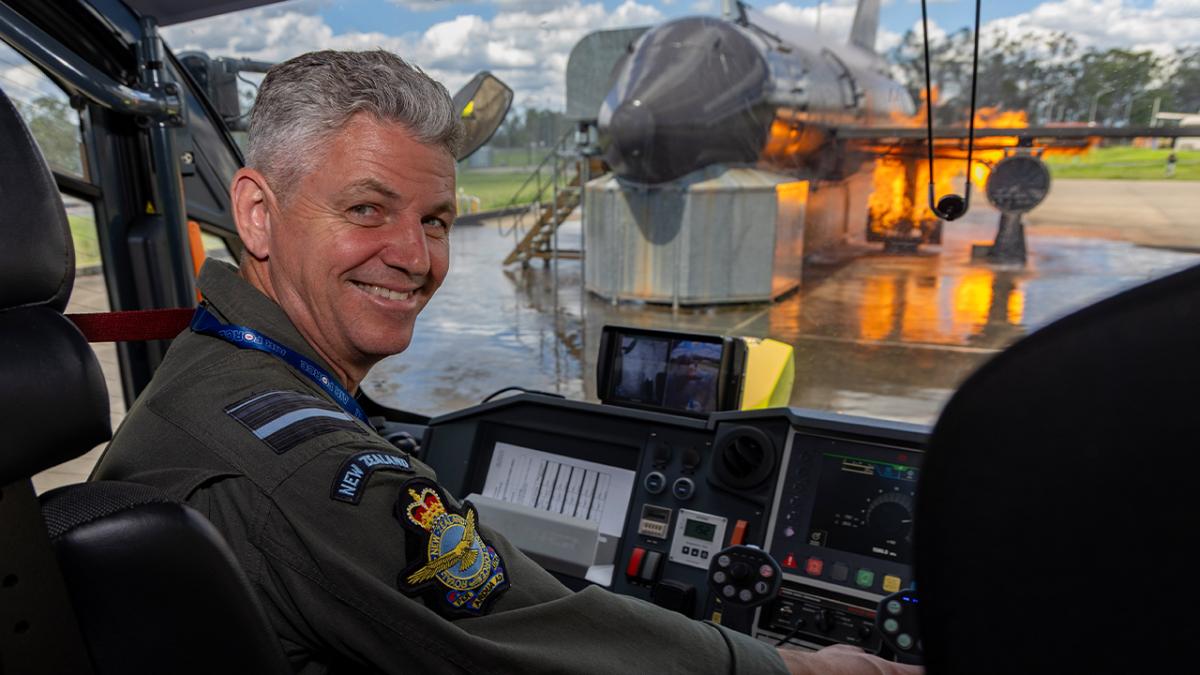
RAAF Security and Fire School demonstrated a practical example of personnel interchangeability already at work through their RNZAF placement initiative.

AVM Webb said making the most effective use of both nations' people and resources was central to their shared ambition.
“Fundamentally, it is about making sure the very scarce things we have, whether people or the tools, are used most effectively,” he said.
The ambition is already translating into operational outcomes.
During Exercise Pitch Black, New Zealand personnel embedded within Australian teams, contributing to air power generation across the NT.
Australian and New Zealand C-130 Hercules crews have also demonstrated their ability to work across national boundaries, with RNZAF aircraft operating in Australia alongside 37SQN under Australian command during Exercise Trojan Compass.
More recently, Australian personnel supported the RNZAF's first air-to-surface missile firing from its P-8A Poseidon, marking a milestone for New Zealand's maritime strike capability.
For AVM Webb, seeing personnel take the initiative to strengthen the relationship has been particularly rewarding.
“We are both hugely proud of our teams. When you see an aviator not wait to be told, that's a real trait of the Air Force – intent and initiative,” he said.
The chiefs have further joint activities planned over the next 12 months, including celebrations marking the RNZAF's 90th anniversary.
As both air forces look to the future, their focus remains on turning generations of shared history into the trust, experience and capability needed to operate together when it matters.

Related stories


