First Person: Building capability under fire
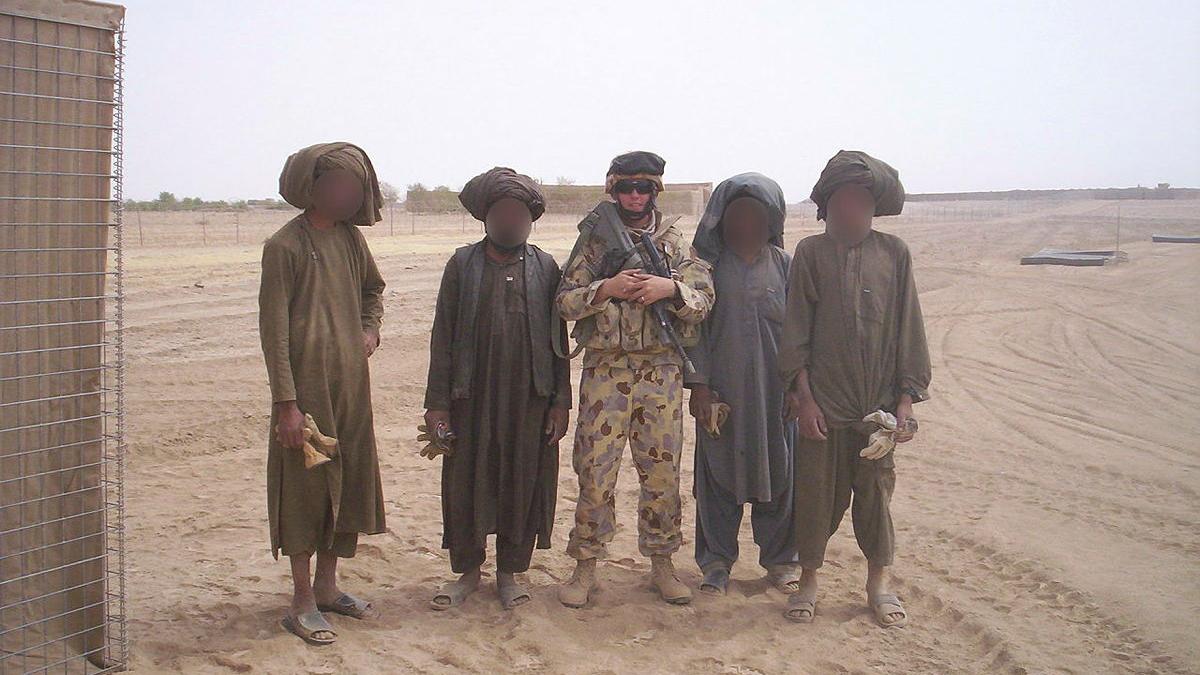
I was 24 when I deployed to Afghanistan in August 2009 as a leading aircraftman plant operator. Like many young Australians deploying for the first time, I knew it would be challenging, but I did not truly understand what operational service would look and feel like until I arrived.
I was part of a RAAF airfield engineering team of about ten personnel, comprising plant operators, carpenters, electricians and plumbers. We were based at Tarin Kowt in Uruzgan Province.
Our primary task was delivering infrastructure projects that would improve the capability and security of the base. The scale of work assigned to our small team was significant. We were responsible for extending the base perimeter with HESCO barriers and razor wire, constructing guard towers at key points, building an additional hardstand for an air movements hangar and installing fibre optic communications infrastructure throughout the base.
On paper, these were straightforward engineering projects. In reality, every task presented unique challenges.
One of our biggest hurdles was equipment availability. We quickly learned that if we wanted something done, we needed to be resourceful. Our unofficial mantra became, “beg, borrow or hire”.
The US forces had their own operational commitments but, fortunately, our Dutch coalition partners were incredibly supportive. They loaned us equipment and worked closely with us to help keep projects moving. The Dutch were professional, welcoming and easy to get along with.
Many of the Afghan workers we hired came from nearby communities and worked alongside us on engineering projects. Despite cultural and language differences, they were generally friendly and hospitable.
The equipment we hired locally was often in rough condition. Some of the "jingle trucks" looked like they had lived several lifetimes. On one occasion, equipment arrived with poppy seed residue from work undertaken elsewhere. It was a reminder that in Afghanistan, military operations, local culture and the realities of daily life all intersected.
The operational environment added another layer of difficulty.

Many of our projects involved construction on the expanding perimeter of the base. While these works were necessary to improve security, they exposed us to additional risks. As the perimeter extension lacked permanent barriers, there was a risk of IEDs being emplaced overnight.
Australian combat engineers were initially tasked to conduct morning IED clearance operations, but due to competing priorities redirecting them, they were unable to conduct these at our work sites after the first few days.
As a result, we were told to look for signs of disturbed soil. For a team undertaking earthmoving works, that was easier said than done. Virtually every worksite consisted of disturbed soil that had been moved the previous day.
Every member of the team needed to maintain constant situational awareness. We were professional tradies on the job, but we were also operating in a war zone.
The threat of indirect fire (IDF) was also a fact of daily life, on the job and at night.
Accommodation for our team consisted of simple plywood huts, with about twelve personnel sharing each hut in tightly packed bunk beds. When IDF warning alarms sounded, we were expected to seek shelter in concrete culverts just outside the door.
The reality was that after working from sunrise to sunset, often six or seven days a week, exhaustion frequently won.
What kept many of us grounded was contact with home.
At the time, I had a two-year-old son back in Australia and occasional pixelated video chats provided a vital connection to my family.

Being able to see my son when the connection allowed, to hear his voice and maintain some sense of normal family life provided motivation during difficult periods. They reminded me why I was there and why coming home safely mattered.
Despite all the obstacles, our team achieved what we set out to do.
One of my proudest memories was seeing the completed guard towers being used by Afghan National Army personnel. Watching those structures become operational and contribute to the security of the base provided a tangible reminder that our work mattered.
The deployment taught me lessons that have remained with me throughout my Air Force career. It gave me a broader perspective on military service and helped me connect the training we receive with operational realities.
More importantly, it reinforced the responsibility we have to train and mentor younger aviators to the highest possible standard because one day they may be called upon to apply those skills in operations, just as I was.
I remain proud of the small part I played and of the people I served alongside. Through determination, adaptability and teamwork, we delivered capability where it was needed and contributed to Australia’s mission in Afghanistan.
More than anything, I remember the people, the friendships and the shared sense of purpose. Those memories have never left me.
Related stories


