Protection from the blast
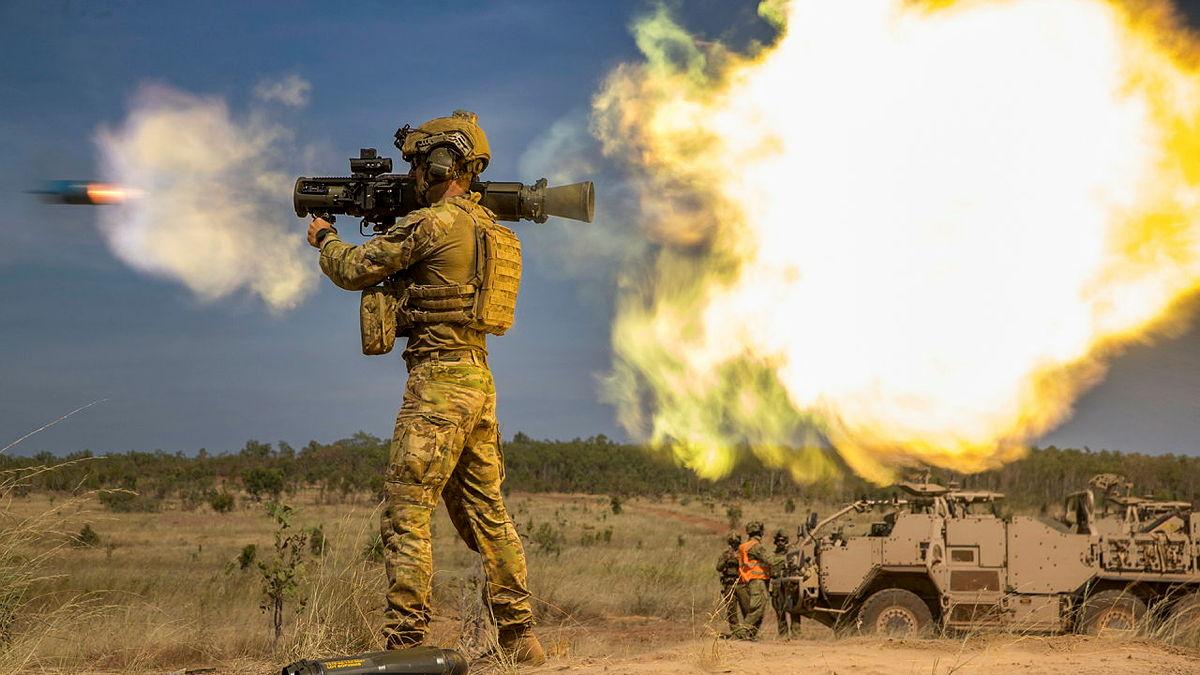
Repeated low-level blast overpressure exposure in training is recognised as a workplace hazard. Defence is implementing new measures to better understand, monitor and manage this risk.
One of these new measures is the release of the Army Standing Instruction (Force Preservation) 015 – Blast Overpressure – a key step in formally recognising low-level blast exposure as an occupational hazard.
The Army Standing Instruction (ASI) sets the conditions for how blast exposure is to be managed, requiring commanders to actively consider the issue when planning and conducting training. This consideration ensures risk is reduced so far as reasonably practicable, while maintaining combat effectiveness.
Lt-Col Reny Pinkerton, Army G7 Lead Planner for the mitigation of this workplace hazard in Defence Training, said blast overpressure has always been part of how Army trained for war, although its impacts on soldiers are not yet fully understood.
The ASI recognises that repeated low-level exposure, while not causing immediate injury, may have cumulative impacts over time.
“This is about looking after our people, while increasing capability,” Lt-Col Pinkerton said.
“It’s about making training more deliberate and ensuring readiness is maintained, while minimising exposure.
“It’s also helping us increase our lethality, including seeing greater employment of simulation such as [the] Weapons Training Simulator and Instrumented Force on Force systems, which come with an array of data analytics. This means soldiers are now able to more frequently train on these weapon systems.”
The work forms part of Army’s response to Recommendation 61 of the Royal Commission into Defence and Veteran Suicide, which focused on improving how brain health risks are understood, monitored and managed across Defence.
Army is also contributing to a growing body of international research, including a major study examining how cumulative blast exposure might affect cognitive performance across a soldier’s career.
This year’s National Science Week highlights how science and technology can solve real-world challenges. The resulting research is helping build the evidence base needed to better protect soldiers, while maintaining operational effectiveness.
'We train for war and that involves risk. But we also have a responsibility to manage that risk in training in a way that is evidence-informed, practical and enduring.'
“Part of this is about building an evidence base,” Lt-Col Pinkerton said.
“We are working with Defence Science and Technology Group, Joint Health Command, Army HQ and our Five Eyes and NATO partners to better understand exposure and its potential effects over time.
“Every soldier has a role in this reform, together with their families and veterans. It’s key they are informed, listened to, and encouraged to share feedback as this work continues.”
Across the Land Domain Training System, practical changes are also being introduced to better manage exposure.
These include structured controls such as safety distances, limits on repetitions, recovery periods between exposures and the application of best practice guidance specific to weapon systems and training environments.
Exposure is also being recorded more systematically through tools such as the Land Range Safety Management Tool and the Defence Science and Technology Blast Monitoring Program.
To support the changes, Army has also released a new Blast Overpressure Awareness Training e-learning package for personnel. Its development was led by Army G7 Training Plans Branch - Staff Officer Maj Ralph Huynh and his predecessor Maj Jacob Nicholson.
“Education is critical,” Maj Huynh said.
“We want operators, instructors and commanders to understand the hazard and how to manage it in practical terms. This is a shared responsibility across the joint force.”
The training reinforces that monitoring and exposure controls are preventive and proportionate.
“One of the key messages is that brain health monitoring is about protection, not restriction,” he said.
“It is designed to support people throughout their careers and ensure the long-term effectiveness of the force.”
“We train for war and that involves risk,” Maj Huynh said.
“But we also have a responsibility to manage that risk in training in a way that is evidence-informed, practical and enduring.”
Research and monitoring will continue to inform future policy and training design, with findings expected to further refine exposure thresholds and controls.

Related stories


