Partner forces prepare for war
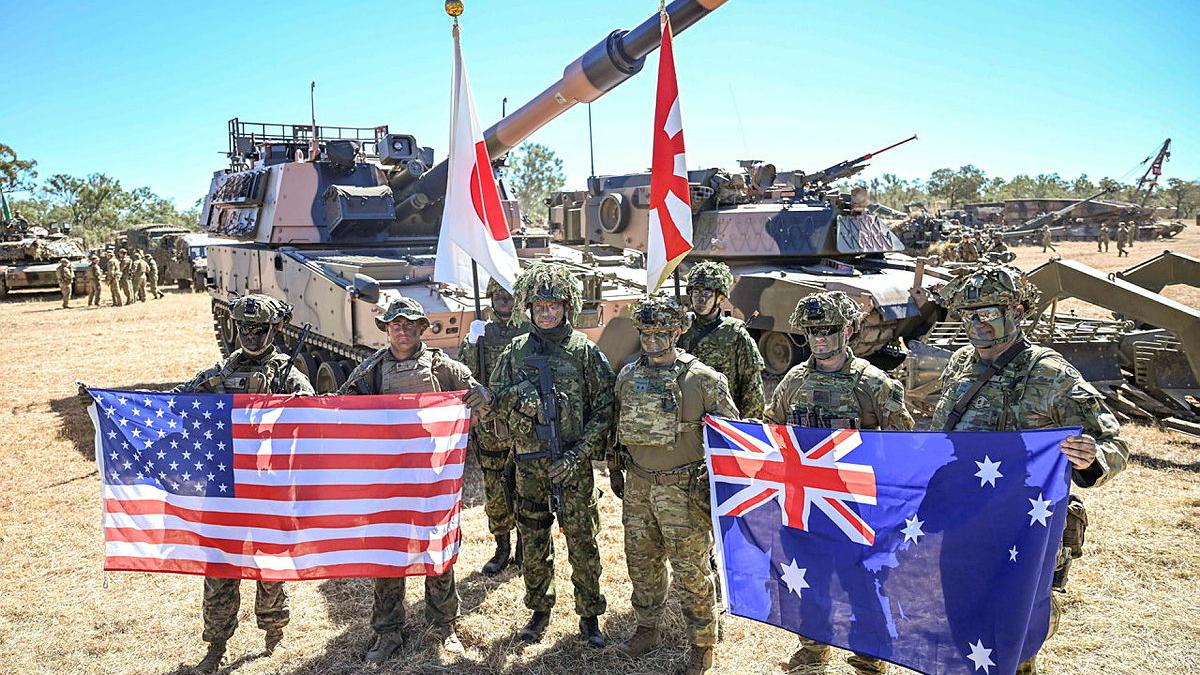
More than 3000 personnel participated in Army’s largest domestic multinational exercise this year.
Led by 3 Bde and including personnel from the United States, Japan, South Korea and Papua New Guinea, Exercise Southern Jackaroo ran from May 29 to July 3 in Townsville.
Cmdr 1 Div Maj-Gen Ash Collingburn said the high-tempo training exercise tested the readiness and integration of participating forces in a demanding and realistic environment.
“This is not routine training. It is a rehearsal for war. A deliberate test of readiness, resilience and trust,” Maj-Gen Collingburn said.
The exercise pushed soldiers physically and mentally to strengthen combined capability and collective readiness.
“We must be ready to deploy anywhere, operate in austere conditions, and fight on arrival. That is a shared challenge across all our forces, and this exercise is where we build that readiness together,” Maj-Gen Collingburn said.
Commander of the Japan Ground Self-Defense Force contingent, Col Soichi Yamazaki, said the Townsville Field Training Area offered training opportunities unlike those available in Japan.
“Our training field in Japan is very limited, very narrow. On the other hand the training environment in Australia is incredible,” Col Yamazaki said.
“So we can conduct a fire exercise at maximum range and we can use UAV [uncrewed aerial vehicles] without any limitation,” he said.

Commander of the US Marine Corps contingent (Marine Rotational Force – Darwin), Maj Trevor Kerchner, said North Queensland provided a markedly different training environment, from unfamiliar terrain to communication hurdles, highlighting challenges and benefits for partner nations.
“Specific to language barriers we use things like terrain models or we use pictures in the dirt to create an environment similar to the map,” Maj Kerchner said.
“Even though we might not have the same terminology or language, we can visualise what we are trying to do on the map together and create a mutual understanding.”
Maj-Gen Collingburn said trust was central to multinational training.
“Most importantly, this is where we build trust. Trust in procedures, trust in capability – but above all, trust in each other as one team,” Maj-Gen Collingburn said.
“That trust, built here in training, is what carries forward into crisis and conflict.”
Related stories


