Embed fires up new skills on Ex Balikatan
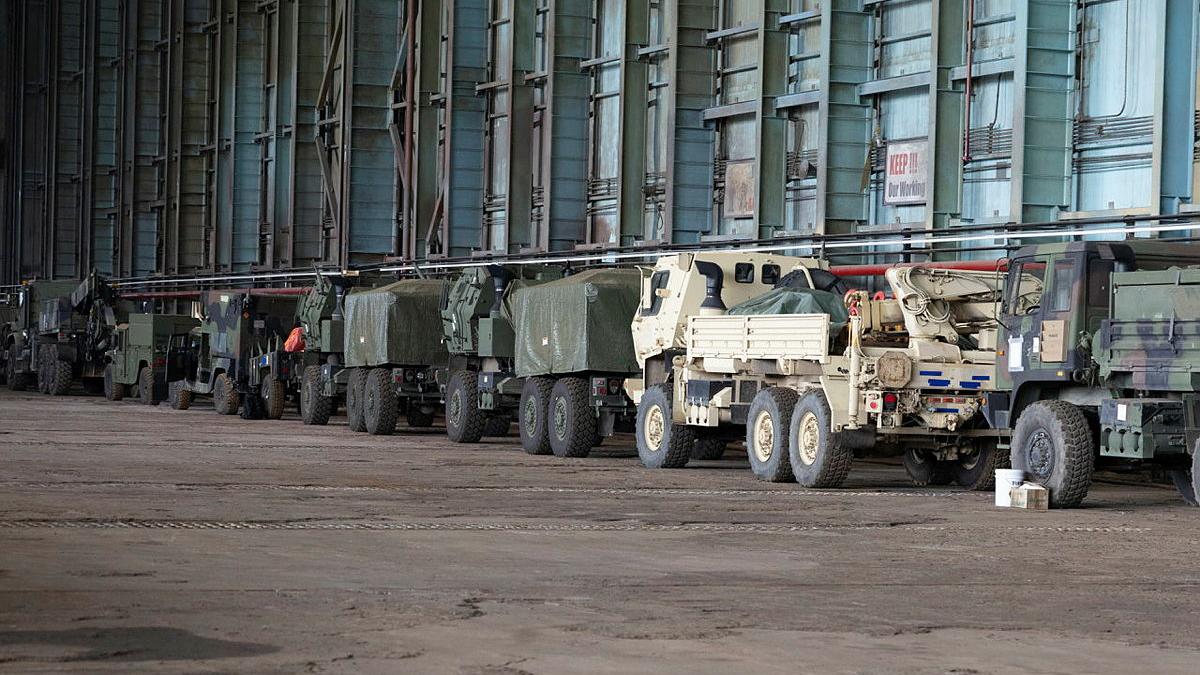
In preparation for a live-fire serial during Exercise Balikatan in the Philippines, Australian gunners embedded with a US HIMARS battery exchanged lessons on tropical maintenance, launch preparation and turning sensor data into firing solutions.
As observers to the live-fire, the Australian team gained insights into how targets were detected, tracked and engaged.
Bdr Dylan Walker, who completed his HIMARS training in Oklahoma, said observing the exercise enhanced his experience with the system.
“I have fired the system before, but it’s always good to see another perspective and different methods,” Bdr Walker said.
The small Australian team integrated into launcher crews within a US longrange fires battalion in northern Luzon, working within battery headquarters to understand how roles were split between launcher crews and command elements.
They gained insight into how US crews staged launches, including preparation requirements and how sensors provided track and grid data that was used to generate firing solutions.
The team also observed HIMARS being crane-loaded onto a vessel for movement to a remote island ahead of the live-fire.
Bdr Walker said the loading gave them a better understanding of how everything linked together before a live-fire.
“We saw how they move the system across different transport modes, and the way they loaded it onto the vessel with the crane is something we can take back with us,” he said.
Capt Quentin Burke said the activity was critical as the Australian Army continued to develop its HIMARS capability.
“We’re still early in our HIMARS journey, so any lessons we can get from allies who operate it are valuable,” Capt Burke said.
“It’s designed to be a common system, so being able to work within their teams improves how we operate together.
“We’ve got to maintain relationships with the US and other HIMARS operating nations, but also get to know the region we operate in.”
Related stories


