From cockpit to clinic
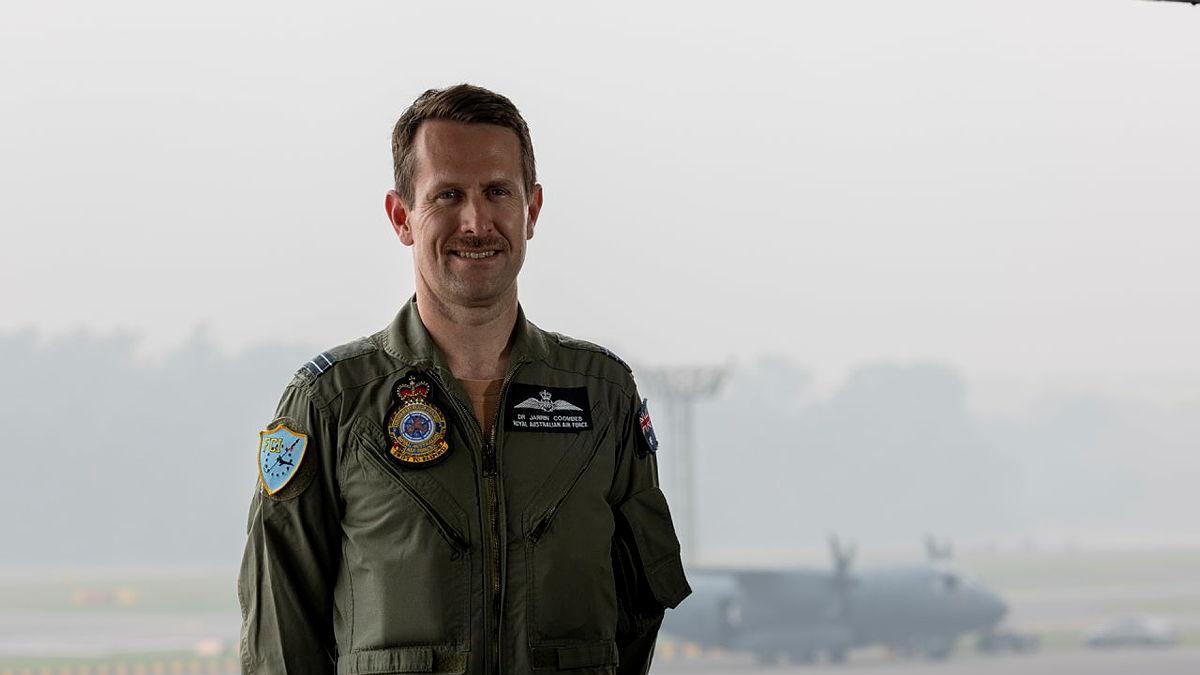
After years of flying fast jets, FLTLT Jarrin Coombes is now on the ground supporting the people who keep them in the air.
The former classic Hornet pilot is an aviation medical officer with 2EHS and worked alongside a medical technician to support the ADF contingent at Paya Lebar Air Base during Exercise Bersama Lima 26.
His move into medicine followed a long-standing interest in becoming a doctor and a change in priorities as his family grew.
“I’ve always been interested in medicine since school, and the time was about right in terms of my flying career,” FLTLT Coombes said.
“I’d just finished being the weapons officer of the squadron and I got promoted, and I was doing less flying.”
Having joined the Air Force straight out of school in 2004, he attended ADFA, completed pilot training and went on to fly classic Hornets for about seven to eight years.
FLTLT Coombes later entered the ADF graduate medical scheme with Air Force sponsorship, returning to university to pursue the interest he had carried for so long.
The change also offered an opportunity to spend more time at home with his young family.
Moving from an established flying career into a new profession brought some uncertainty, but he knew he still had a career he valued if medicine did not work out.
“You get concerned about that,” FLTLT Coombes said.
“But the beauty of the position and how fortunate I was, is that if it didn’t work out, I could stay flying.”
'One thing I loved about flying fast jets is that real-life problem solving, and medicine is about problem solving.'
After completing his medical degree, he undertook hospital and general practice training, finishing the final year of his GP training in garrison at Williamtown.
Today, FLTLT Coombes' experience in a flying squadron helps him understand the work of the people he treats, from aircrew to technicians and support staff.
“You get to understand what all the different trade technicians do, how that works, what shifts they’re on,” he said.
“Those little details … help you manage everyone in the squadron, not just aircrew.”
Knowing the demands of their work gives him additional context when making medical decisions, while keeping the patient’s needs central.
FLTLT Coombes also maintains his emergency medicine skills through shifts at John Hunter Hospital’s emergency department, alongside garrison work and aviation medicine support to squadrons.
Although he misses flying, he has found a familiar challenge in his new profession.
“One thing I loved about flying fast jets is that real-life problem solving, and medicine is about problem solving,” he said.
The satisfaction of helping people has become another rewarding part of the job.
“I like the human interaction where you get to actually help people,” FLTLT Coombes said.
“Everyone has experienced that in their own life, where they have helped someone and it feels good. So we get to do that a lot.”
Read more about Exercise Bersama Lima and how teamwork is powering F-35 missions.
Related stories


