Keeping the Spitfire legacy alive
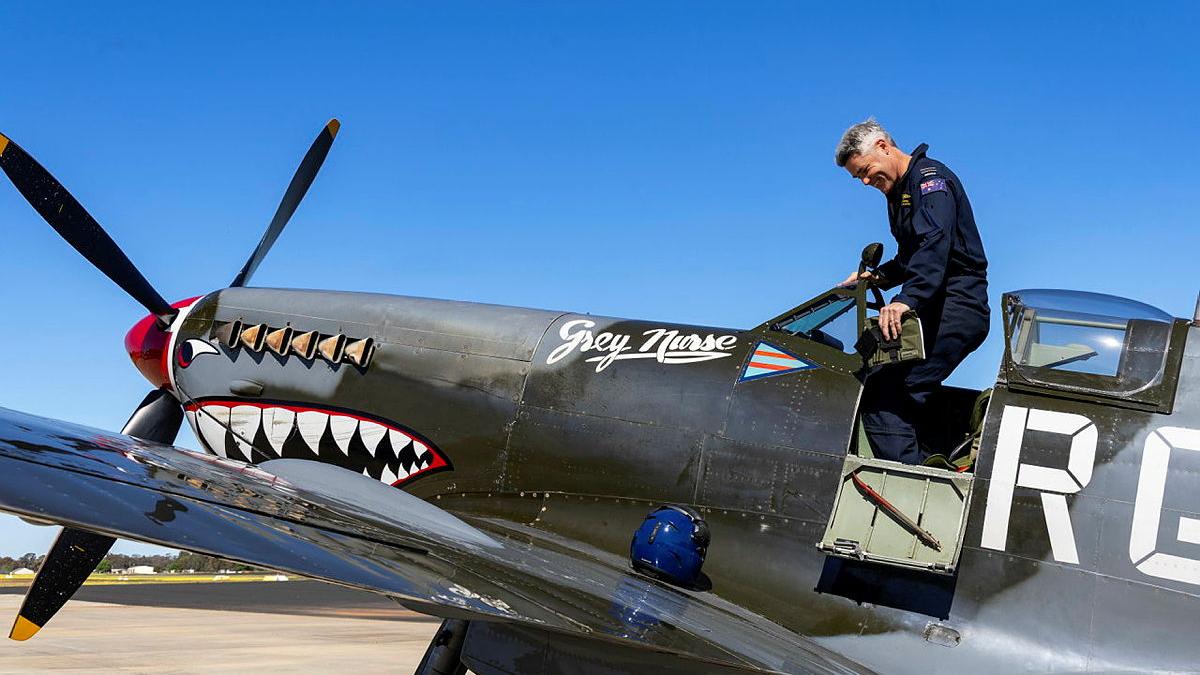
When FLTLT Luke Kempton climbed into the cockpit of a Spitfire at Temora Aviation Museum recently, it marked the culmination of a journey years in the making.
The Albury pilot became one of Australia’s newest Spitfire-qualified aviators after completing conversion training on the iconic warbird alongside Bendigo’s FLTLT Lars Larson, guided by fellow Albury local and long-time Spitfire pilot FLTLT Stephen Death.
For FLTLT Kempton, who now flies internationally as an airline pilot and serves as a reservist with 100SQN, the opportunity was both an honour and a responsibility.
“I’ve been lucky enough to be around these aircraft from a young age and I’ve looked up to the people who have flown this Spitfire and the engineers who have looked after it over the last 20 or 30 years,” FLTLT Kempton said.
The training involved studying original World War II flight manuals, learning aircraft systems and flying heritage aircraft to build the skills required for the legendary single-seat fighter.
“You approach it like any other aircraft, but once you start the engine, you’re on your own,” he said.
“It’s a huge thrill.”
'I’ve been lucky enough to be around these aircraft from a young age and I’ve looked up to the people who have flown this Spitfire and the engineers who have looked after it over the last 20 or 30 years.'
FLTLT Death, who has flown Spitfires for more than 20 years and was one of a small group of specialist capability officers originally brought into the RAAF to help preserve and operate the heritage fleet, said training the next generation of pilots was critical.
“We need to keep training people so they become the mentors of the next generation,” he said.
“It’s critical we teach them well. They’re pretty valuable aeroplanes, financially and historically.”
He said the selection of FLTLT Kempton and FLTLT Larson reflected more than just flying ability.
“It’s not all about their skill. It’s about their passion, their availability and their commitment to supporting the capability,” he said.
FLTLT Death said the new pilots approached the conversion with professionalism and dedication.

“They’ve both taken it really seriously with studying the checklists, the flight manuals and the history of the aeroplane,” he said.
“They both stepped in and flew beautifully.”
For FLTLT Kempton, flying the Spitfire was about more than a personal achievement.
“The best thing about heritage aircraft is the stories attached to them,” he said.
“You get veterans, and now we’re into the grandchildren and family members of veterans, who have a connection to the aircraft.
“It’s a fantastic day. We get to fly aeroplanes, but it also represents these planes flying into the future and continuing to tell their story.”
Related stories


