Learning on Long Look
A RAF instructor’s time in the RAAF has reshaped how he teaches and learns. FLGOFF Belinda Barker reports
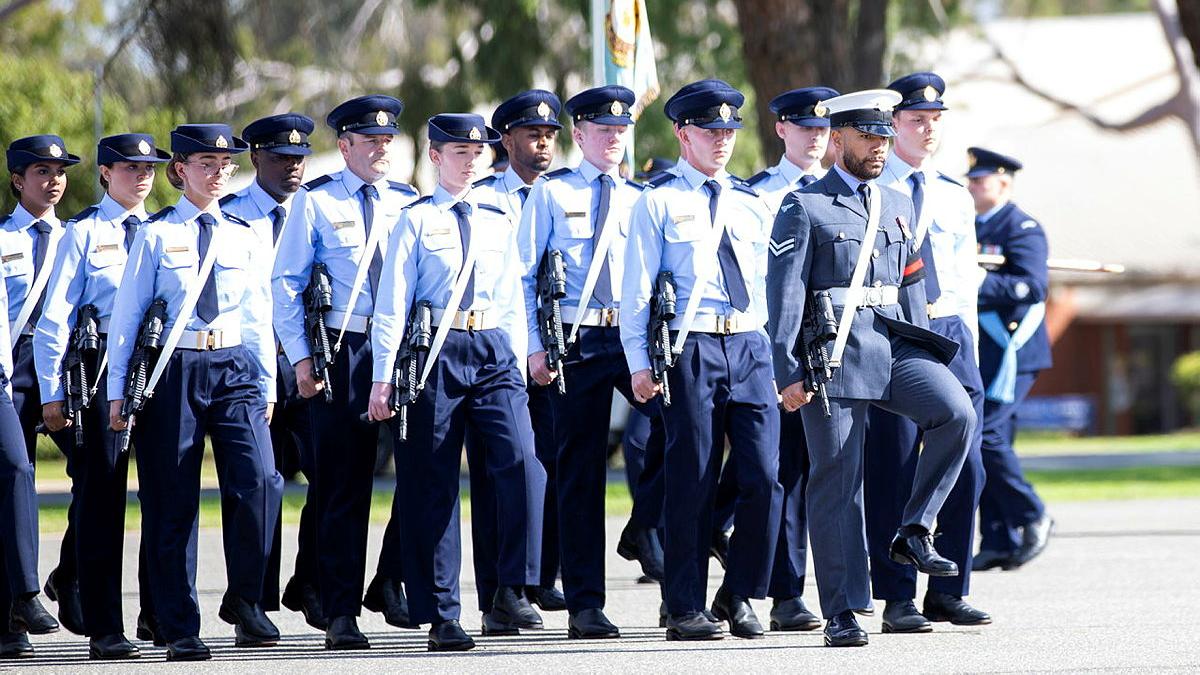
When Royal Air Force (RAF) CPL Isireli 'Izzy' Stevens put his name down for Exercise Long Look, he knew he was volunteering for three months in Australia.
What he didn’t anticipate was how much a posting to RAAF Base Wagga and the tight-knit team at 1RTU would shape his thinking as an instructor.
Long Look is an annual exchange program between Australia, the UK and New Zealand, designed to build professional development and connectivity across allied forces.
From day one in February, CPL Stevens worked as an MSI alongside RAAF instructors for the full nine-week training cycle at 1RTU, helping transform 64 civilians into aviators ready for military service.
After surviving temperatures more than 40 degrees warmer than those he left behind in the UK, he has a list of ideas he can’t wait to bring home.
“The professionalism here is really, really good. The way they carry themselves from day-to-day – it’s something I’ll definitely take back,” he said.
“From the top down, there’s a genuine effort to promote that workforce culture and ethos.”

CO 1RTU WGCDR Jodie Mason said exchanges like Long Look highlight the importance of investing in people first.
“Our interoperability is built on our people – their relationships, trust and shared commitment to being ready to operate together when it matters the most,” she said.
“Allies don’t join a team, they become it. Izzy brought his expertise, professionalism and good humour to our work, and we are better for it.”
One training technique in particular caught CPL Stevens’ attention: the echo system, where an instructor calls a phrase and recruits repeat it as a group.
“We don’t have that in the UK,” he said.
“I found that quite useful because it tends to create that urgency in training.”
The exchange ran both ways. Early in the course, CPL Stevens introduced a RAF practice of separating recruit questions into group discussions and private-and-personal chats – known as PNPs – so individual concerns could be handled one-on-one.
“It saved a lot of time in the evenings,” he said.
“Instead of recruits asking a million questions at once, we could filter what needed a group answer and what didn’t.”
Upon returning to his fiancée, family and dog at home, CPL Stevens aims to write a post-exercise report on everything he observed, with an eye to implement what could work in the British context.
But beyond the professional takeaways, it’s the people he’ll remember most.
“I’m a firm believer that the people make a workplace, and at 1RTU everyone has been so welcoming. Even though I’m 10,000 miles from home, I never felt that way,” CPL Stevens said.

Related stories


