New graduates man the cyber frontline
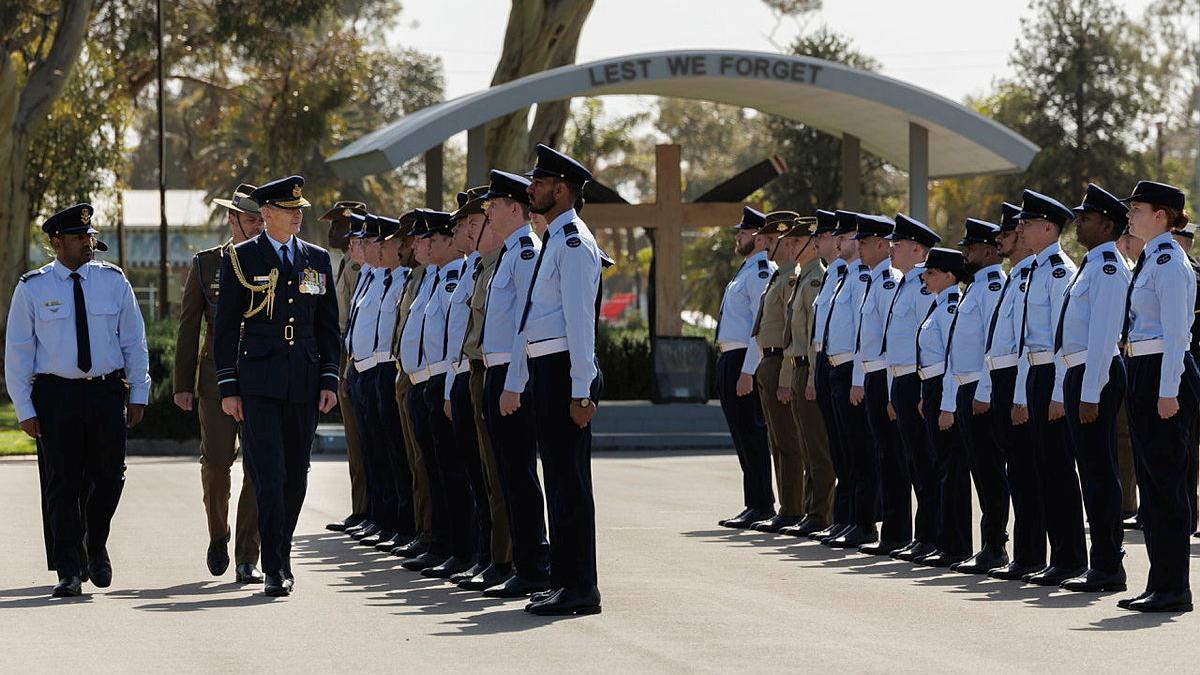
Australia's newest cyber warfare specialists have graduated from the School of Space and Cyber, ready to defend Defence networks.
While some battles are fought on land, at sea, in the air and in space, the graduates will man a frontline few people ever see – hunting cyber adversaries seeking to gain access to Defence systems and information.
Performing the role of cyber incident analysts, they will strengthen Defence's ability to identify and disrupt malicious activity across its networks.
CO School of Space and Cyber LTCOL Benjamin Grant said the graduates would play an important role in safeguarding Defence capability in an increasingly contested cyber environment.
"These graduates are entering a profession where vigilance, technical expertise and teamwork are essential,” LTCOL Grant said.
“Every day, cyber operators help protect the information, systems and networks that Defence relies on to achieve its mission.
"The skills developed on this course enable our people to identify threats, understand adversary behaviour and respond rapidly to protect Defence from harm. They are now part of a capability that is critical to maintaining Defence's operational advantage."
'Every day, cyber operators help protect the information, systems and networks that Defence relies on to achieve its mission.'
Graduates are trained to identify adversary activity, analyse malware, identify weaknesses in cyber defences, examine network traffic, recover hidden data, provide recommendations to prevent intrusions, and stay up to date with the latest intelligence.
In conflict, knowing how strong an adversary is, where they are positioned and what they are thinking can be decisive to the outcome.
“Once the Allies in WWII cracked Axis communication secret codes, they were much more able to direct Atlantic shipping to avoid submarine ambushes, ensuring food and supplies could reach Britain,” LTCOL Grant said.
“Today, access to an adversary's computer networks can provide enormous insight into their location and intentions. It can also be used to damage or degrade computer systems and the equipment that relies on them.”
CJC AIRMSHL Glen Braz, the reviewing officer at the graduation, said the graduates brought new ideas, perspectives and skills at a time when cyber capability was more important than ever.
“Their contribution will help strengthen Defence's resilience, support operational effectiveness and enable commanders to operate with confidence in an increasingly contested information environment,” AIRMSHL Braz said.
“That is an important responsibility, but it is also an extraordinary opportunity.”