Countering threats from above
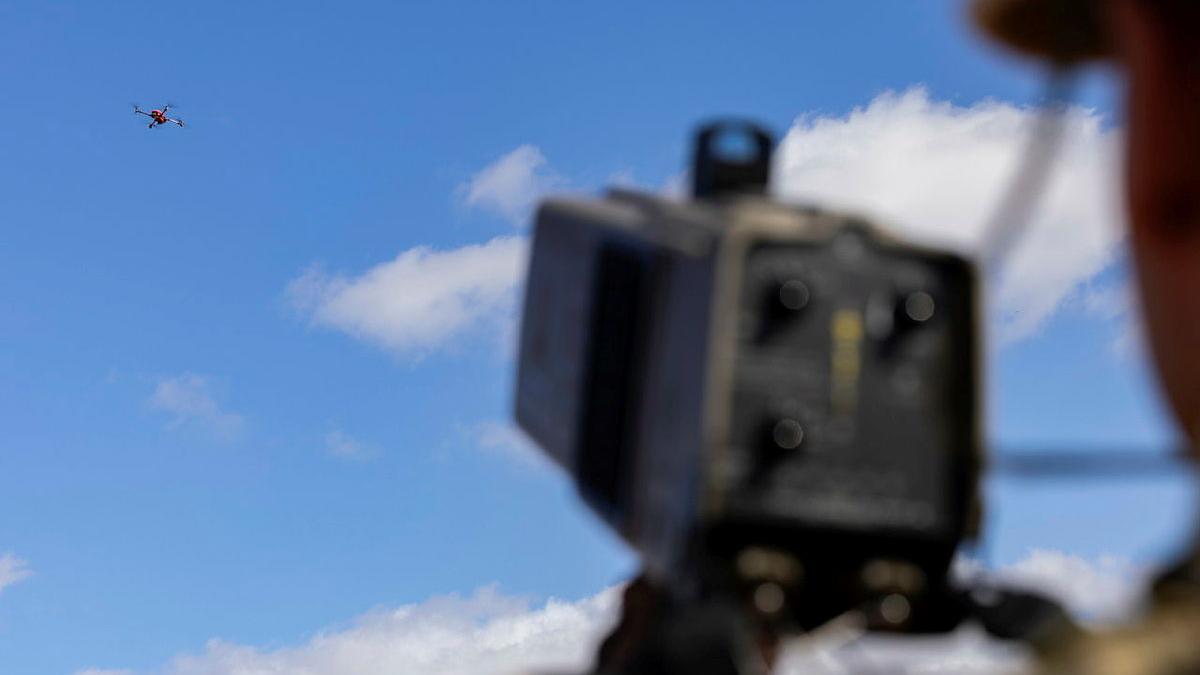
The introduction of counter-small uncrewed aerial systems (C-sUAS) will transform how Navy boarding teams and EOD operators confront emerging sUAS threats.
In early November, a suite of dismounted systems was evaluated by Army at the Cultana Training Area under Project Land 156, ranging from simple handheld jammers to advanced sensing and tracking devices.
Designed to detect, identify and disrupt drones before they reach a ship or boarding party, the capability supplements the ship’s existing protections by giving Navy operators options for countering sUAS.
Many of the systems can be worn or man-packed, allowing teams to sense a threat and decide whether to jam or apply other mitigations.
Their performance during Army’s assessment provided Navy EOD operator PO Carlsen with greater confidence in dealing with aerial drones and emerging uncrewed surface threats.
“From the maritime side, we’ve been seeing a lot of uncrewed surface vessels, whether it is autonomous or piloted systems, they all use the same telemetry and video protocols,” he said.
“The systems will allow us to sense a threat and then decide if we are going to want to have an effect either to jam or some mitigation.”
He said the assessment was essential, with operators flying drones at the systems to understand what would be effective in combat.
The capability will change tactics, techniques and procedures across the integrated force as C-sUAS becomes a routine part of operations.
He said having a dismounted option is significant, with Navy personnel now able to apply their own electronic disruption when required.
“Currently we have limited dismounted C-sUAS capability options, so this is going to be huge,” he said.
The assessment at Cultana provided him with practical exposure to each system, helping identify which technologies were most suitable for maritime use.
The rollout has now commenced.
Related stories


