Gritty, vulnerable drama
Outback or tropic noir seems to be the vibe du jour in Australian crime drama, and when Dustfall appeared on my viewing radar, I didn’t think I was ready for another gritty murder mystery set in a claustrophobic community.
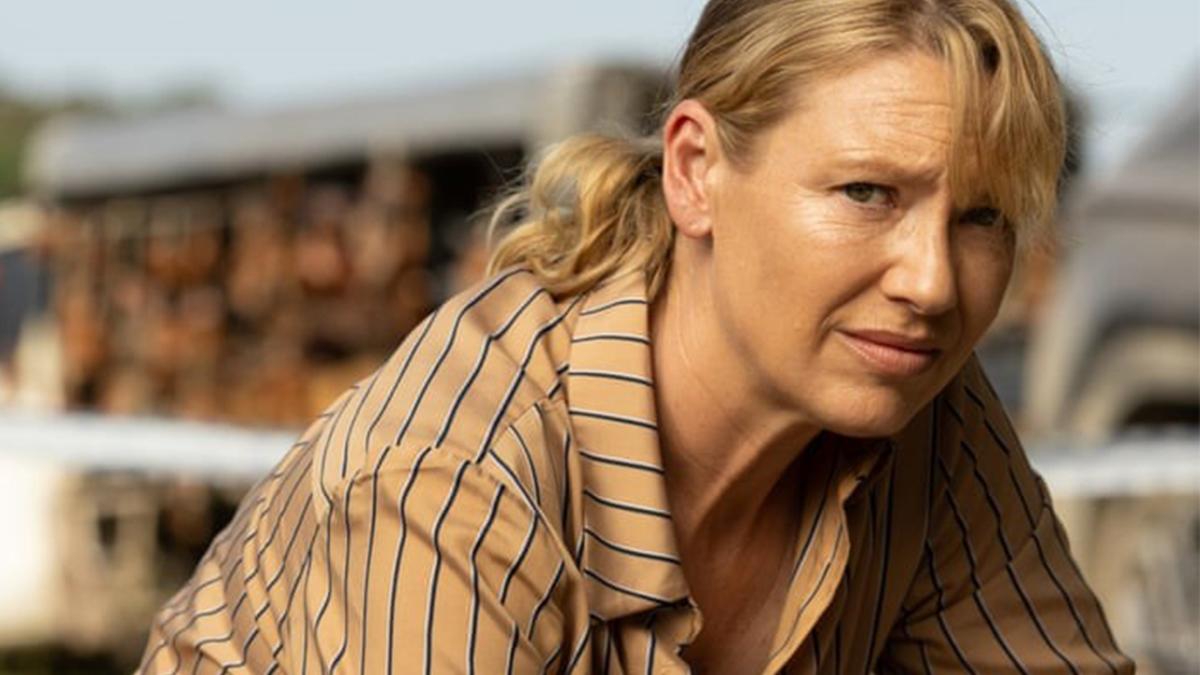
But it was Anna Torv’s ‘I dare you’ stare that made me do it. I swear she was watching me every time I logged into ABC iview or clicked on the streaming recommendations in my feeds. Not just watching, but judging with her flinty gaze. That same gaze skewers nearly everyone she encounters – from her own mother to chief suspects – in this taut six-part miniseries, set in fictional North Gap in Queensland’s hinterland.
Torv portrays Detective Tig (Antigone) Pollard as the steely but flawed and vulnerable cop you’d expect from this genre. It’s stereotyping done well. While I might quibble with how often and long the camera lingers on Tig’s tense face while she drives past endless cane fields, those locked-in forehead furrows do some heavy lifting in adding weight to the story.
Tig seems to have every reason to wear a fixed look of scepticism. In this screen play of Vikki Petraitis’ 1922 novel The Unbelieved, everybody is suss. I found myself guessing and second-guessing until the end, but not in the way you might approach a classic ‘whodunit’.
Dustfall is more multi-layered than that. The most heinous crime is not murder but a brutal sexual assault on teenager Edie Kelly (Zoe Phillips). Investigations into the assault have barely started when a death follows that leads to a messy trail of twists and sub-plots that only add to the furrows in Tig’s brow.
Some pretty heavy issues are interrogated along the trail: the effects of trauma (acute and suppressed), date rape, misogyny, domestic violence, victim blaming, institutional failings, even a bit of workplace tension for good measure.
Yes, it’s grim, but thankfully not gratuitous. It’s through these themes that the story and the perpetrators unfold, not through the traditional paths of crime procedurals.
Along the way, we see glimpses of the shadows from Tig’s past that stalk her current relationships and fuel her intuition.
I found myself reading something into everything and suspecting everyone of something. Whether it was the smoking-gun suspects (the creepy plumber or Edie’s would-be boyfriend?) or the pure ‘smokies’ (Edie’s distraught mother or Tig’s gentle-giant boyfriend?), everybody was on the radar at some point.
The whole mess does untangle in the end – even the persistent python in Tig’s rundown digs makes symbolic sense – but don’t expect everything to be tied up with neat little bows. Given the complex issues and characters in play, to have done that would have been a crime in itself.
Related stories


