An advantage over any adversary
A new frontier of underwater warfare is providing RAN with an unparalleled advantage over any adversary.
The development and advancement of new, autonomous deployable mine countermeasures are enhancing Australia’s capability to keep safe the shipping lanes and commercial ports vital for Australia’s economy and the daily lives of all Australians.
However, the real secret to their success is the force multiplication, facilitated by integrating systems with allies and partners, which is being practised at Exercise Dugong – a trilateral exercise between the RAN, Royal New Zealand Navy and US Navy off the NSW coast.
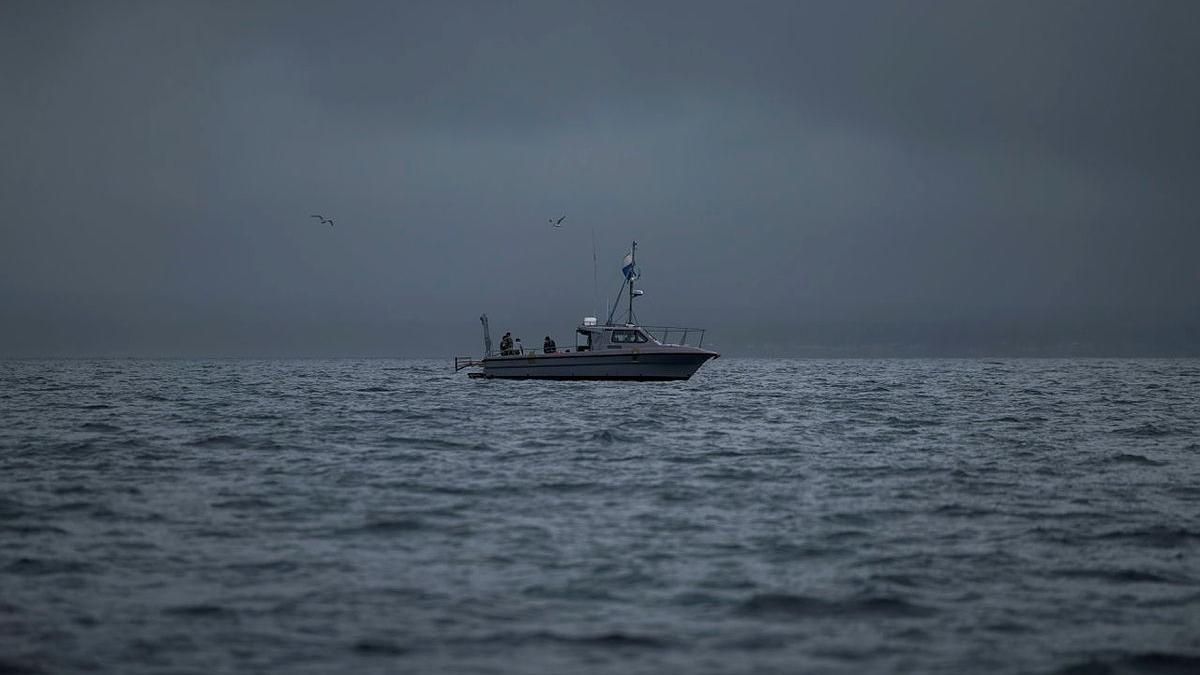
Dugong involves two ships, eight deployable autonomous underwater vehicles (AUVs), clearance diving teams and supporting headquarters staff, with more than 350 personnel participating.
RAN COMFLOT CDRE Simon Howard said Dugong formed a critical part of Navy's mine warfare, clearance diving, seabed warfare and geospatial training continuum. It also highlights the importance of working with regional partners.
“Exercise Dugong allows the forces to train in a realistic environment with realistic scenarios,” CDRE Howard said.
“It also affords the opportunity to work with regional partners to solidify our procedures so that we can ensure that we are prepared for contingencies that may arise in the region.”

Mine warfare officer LEUT Jesse Mariani, of the Australian Mine Warfare Team, also highlighted the value of having a shared learning model.
“Building the shared knowledge and experience in the conduct of autonomous operations within a joint counter measures construct has been one of the great benefits of this exercise, and developing the relationship with our New Zealand counterparts has been quite fruitful,” LEUT Mariani said.
For sailors at the tactical end, AUV operator AB Clay Viera said exercises such as Dugong allowed personnel to become familiar with each other's systems, procedures and operational requirements, helping improve coordination during future deployments.
“Working with our New Zealand counterparts, we use similar systems, so it always benefits both nations to learn from each other,” AB Viera said.
The delivery of uncrewed underwater and surface vessels is intended to provide the ADF with an asymmetric capability advantage, a key priority identified in the 2024 National Defence Strategy.
Exercises such as Dugong will remain an important part of ensuring allied naval forces can work together effectively in an increasingly complex maritime environment.
See more images from Exercise Dugong.
Related stories


