Four years of change and progress
As his tenure as CN comes to an end, VADM Mark Hammond’s haul-down report reflects on an ever-evolving Navy. LCDR Garry Bateman reports.
After four years of significant effort and sustained operational demand, the RAN has emerged more focused, more capable and better aligned to Australia’s changing strategic needs.
Over this period, Navy has operated in an increasingly contested Indo-Pacific, while simultaneously transforming how it fights, sustains and generates maritime power. Reaching this point has required a deliberate balance – optimising the current force while accelerating the delivery of the future fleet.
At sea, Navy has maintained a consistent operational presence, supporting regional security, from Indo-Pacific Endeavour deployments to routine presence operations and working closely with allies and partners.
This enduring tempo has ensured Navy remains ready to shape, deter and respond while also testing new concepts, capabilities and ways of operating.
Central to this transformation has been the direction set by the 2023 Defence Strategic Review and the two subsequent National Defence Strategies. These have driven a sharper focus on maritime denial, long-range strike and undersea warfare, shaping current operations and future capability development.
Across the fleet, practical changes have delivered tangible outcomes.
The introduction of the One Fleet approach has aligned Navy’s warfighting effort, while workforce initiatives such as dual crewing and improved watchkeeping models have increased availability and helped sustain high operational output.
Cultural programs, including Sexual Ethics and Respectful Relationships, have strengthened professionalism and cohesion across the force.
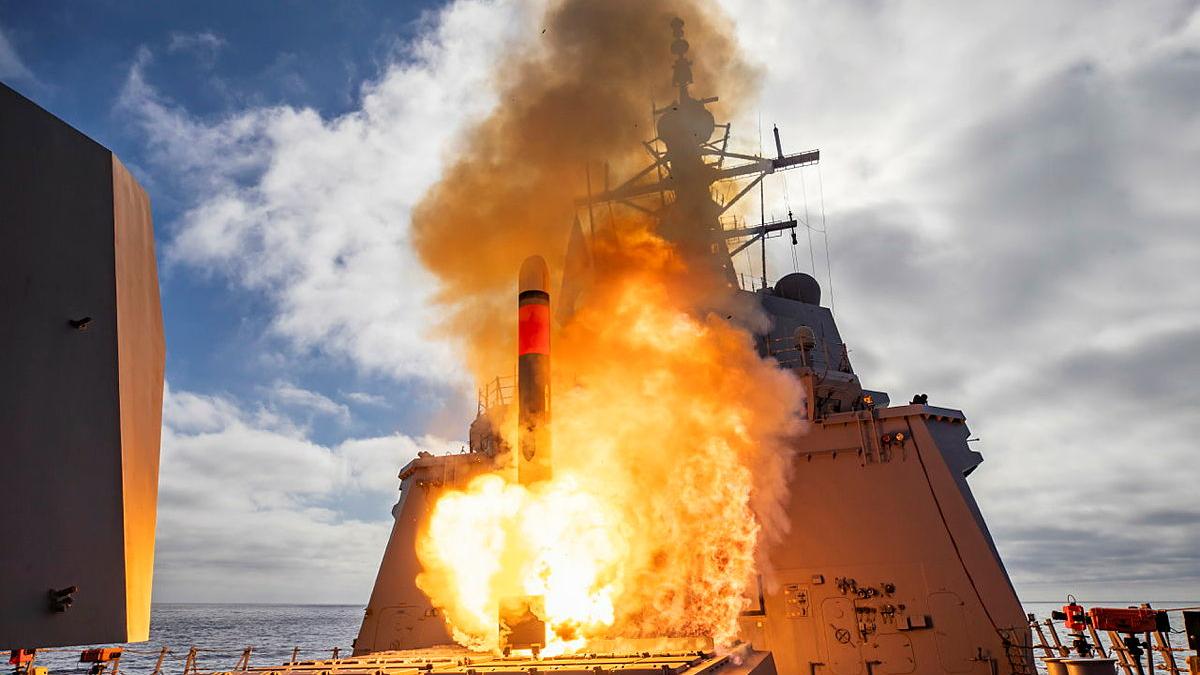
At the same time, Navy has accelerated major capability programs. Surface combatants have been enhanced with advanced strike weapons, including Tomahawk Land Attack Missile, SM-6 and Naval Strike Missile, significantly extending the fleet’s reach and lethality.
Work to reset the Hunter-class frigate program has addressed cost and schedule risks, while Navy has worked with the Australian Government to accelerate the decision and contract synthesis for the enhanced Mogami-class general purpose frigate under SEA3000, ensuring a more timely and capable replacement for the Anzac-class FFH.

Progress has continued to be made across existing capabilities. In the offshore patrol vessel program, efforts have focused on retiring key seaworthiness issues and ongoing resolution of first-of-class design challenges, including structural integrity and fire safety systems.
In parallel, the auxiliary oiler replenishment platforms have seen steady progress in addressing earlier build and design deficiencies, improving reliability and sustainment performance.
Together, these efforts are strengthening the safety, availability and long-term effectiveness of these critical capabilities. The Collins-class Life of Type Extension Strategy has been redesigned to ensure safe and effective operational availability for another operating cycle, while preparations for the AUKUS optimal pathway have advanced, including developing HMAS Stirling and the establishment of Submarine Rotational Force – West.
Navy is also embracing new technologies. The introduction of autonomous and optionally crewed systems, including Ghost Shark extra-large autonomous underwater vehicles and Bluebottle uncrewed vessels, marks the early stages of a hybrid fleet, combining crewed and uncrewed capability to increase persistence and operational flexibility.
'We could not have achieved all we have, without the dedication and commitment of those who serve and support that service. Thank you.'
Behind these advances sits a major effort in engineering, sustainment and industry. Improvements to safety systems, maintenance delivery and seaworthiness governance have increased reliability and availability, while highlighting the critical role of Australia’s industrial base in supporting a more capable Navy.
People remain at the centre of this transformation. Sailors, officers, civilians and families have adapted to increased tempo and complexity with professionalism and resilience – supported by the rapid growth of advanced and nuclear skills, including more than 100 sailors and officers now qualified as nuclear-powered submariners. Their contribution is enabling Navy to deliver today’s operations while preparing for tomorrow’s challenges.
CN’s haul-down report is clear, however, that the work is not complete. Workforce pressures, sustainment demands and the pace of capability delivery continue to present real challenges. Building a larger, more lethal, nuclear Navy that is also available, maintainable and ready will require sustained effort.
As Navy continues to evolve, the focus remains clear: it must deliver a force that can deter conflict, protect Australia’s interests and operate effectively in a more demanding maritime environment.
“I reflect on what has been an increasingly demanding four years for the RAN,” VADM Hammond said.
“You have achieved everything I have asked of you and more. We have optimised the fleet, accelerated delivery of the future fleet and maximised availability and lethality of the current fleet.
“We could not have achieved all we have, without the dedication and commitment of those who serve and support that service. Thank you. This is another chapter in Navy’s 125-year history, you should all be very proud. Your contribution to Australia’s maritime security and economic prosperity has been critical.
“To our partners in industry and academia, and to the shipmates and colleagues whose commitment underpins our success, I offer my sincere thanks.”

Photo: LSIS Danyellah Hill
Related stories


