Readiness no longer a checklist
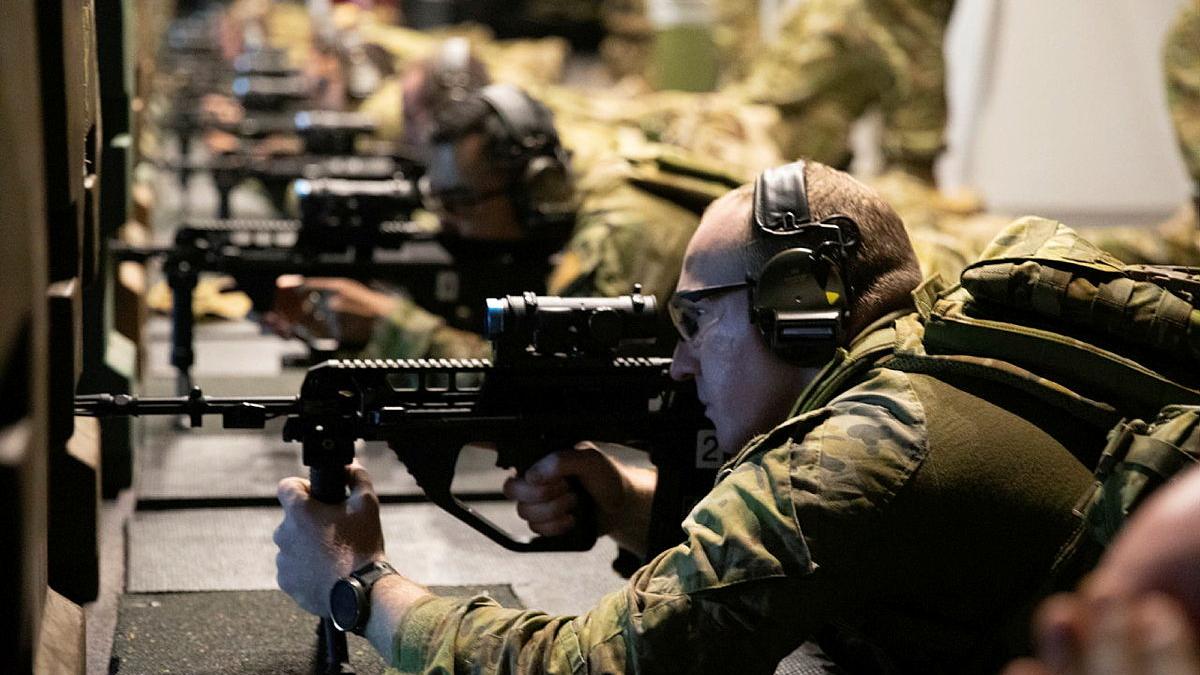
Army's approach to operational readiness has been changed to reflect the realities of modern warfare, with removal of the Army Individual Readiness Notice (AIRN).
Under Project RUTHLESS, the AIRN framework was removed on July 1 to restore command and individual accountability on how soldiers meet their readiness for modern combat.
For the past 30 years, individual readiness for overseas operations was measured by medical, dental, physical fitness, weapons and administrative assessments captured by AIRN.
DCA Maj-Gen Chris Smith said AIRN gave the false impression readiness could be reduced to a checklist, but war did not recognise administrative categories.
“Modern warfare demands sustained operations under fatigue, disruption and constant threat, and AIRN created the illusion that readiness could be captured through a narrow, administrative lens,” Maj-Gen Smith said.
“Passing a 2.4km time trial or grouping and zeroing a rifle in isolation does not tell you whether a reconnaissance corporal can survive and fight dismounted for days, or whether an engineer squadron can build a hasty bridge under austere battle conditions.”
While the AIRN construct has been removed, weapons competence, physical conditioning and medical and dental readiness remain fundamentals of soldiering. Medical and dental assessment requirements remain unchanged, but the approach to physical fitness and weapon skills will focus on battlefield conditions rather than isolated skill assessments.
The PESA will still be completed annually as the best test of battlefield fitness.
'Zeroing a rifle in an air-conditioned static range through a simulated system is not a reliable measure of whether a soldier can fight and kill under the conditions of modern battle.'
Soldiers must still conduct the BFA as a prerequisite to the PESA, and commanders have agency to order one if concerned about the health of a soldier or officer.
The consequences of failing a BFA are unchanged.
Group and zero shoots are no longer an Army-mandated requirement, with training and maintaining marksmanship skills and combat shooting in battle conditions a commander’s responsibility to ensure troops are battle-ready.
“Zeroing a rifle in an air-conditioned static range through a simulated system is not a reliable measure of whether a soldier can fight and kill under the conditions of modern battle,” Maj-Gen Smith said.
“Our obligation is to develop marksmanship skills and combat shooting under battlefield conditions in teams, with fatigue and against a capable foe.”
Removing AIRN also helps reduce barriers restricting Army’s ability to employ experienced but incapacitated soldiers to continue to serve, by applying their expertise within the Army as instructors or other roles in support of a war effort.
It will also reduce the administrative burden of constantly chasing compliance, which diverted effort away from meaningful training into activities designed to satisfy process rather than build capability, according to Project RUTHLESS lead Col Nicholas de Bont.
“It was one of the many administrative overheads that kept officers in their office rather than with their troops training,” Col de Bont said.
“We are stripping away effort that does not contribute to combat effectiveness, and together with other promising ideas in RUTHLESS, it should all add up to something quite comprehensive.”
The AIRN badge will become the Field Army Badge, awarded at the conclusion of IET or regimental officers’ basic course to signify qualification to serve in the field Army.
A fragmentary order providing additional details for implementing changes will be released by Army headquarters.
Related stories


