Diggers upgrade barracks in PNG
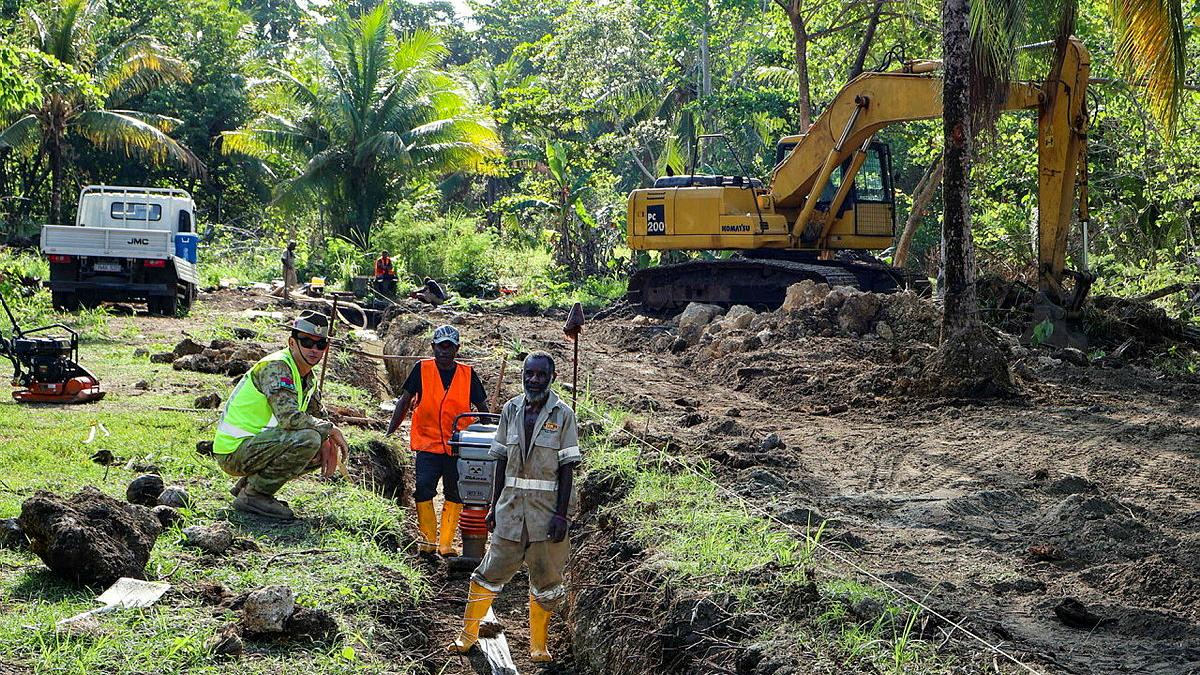
The ADF is delivering major upgrades to critical infrastructure at Moem Barracks in Papua New Guinea, reinforcing Australia’s commitment to supporting Pacific‑led security and long‑term capability development.
Delivered through the Defence Cooperation Program’s Project 230, the works are modernising essential services that support the barracks' central operations precinct for the 2nd Royal Pacific Islands Regiment.
Project 230 works supervisor from 12th Chief Engineer Works (12CEW) WO2 Matthew Pfingst said the works were also benefiting the community by providing jobs through local contractors.
“This base hasn’t had a secured water supply or sewer network for a number of years and these upgrades will provide that vital secure water supply,” WO2 Pfingst said.
“We have been using civilian contractors to do some of these works in order to increase the capacity and experience of the local workforce and also to inject money and jobs into the area.”
Under Project 230, the ADF’s 6ESR is delivering a $2.3 million upgrade to the ageing water reticulation and fire network, laying about five kilometres of new pipeline.

6ESR site supervisor Sgt Troy Roseman said it was rewarding for his soldiers and a good opportunity to build on a long-established partnership.
“Australia originally built these barracks, and the work we are doing here continues to build on that relationship,” Sgt Roseman said.
“Coming back and doing the maintenance and building new infrastructure helps maintain and continue that relationship.”
Local PNG contractors are delivering additional projects, including a one-megalitre water tank, installed by Southern Cross Pumps, and a $2.29 million modernised sewer network delivered by Lae Builders and Contractors.
Southern Cross Pumps foreman Demas Towalaun said working with the ADF was a great opportunity to upskill his workers and expose them to more complex jobs.
“Working with ADF has been really helpful,” Mr Towalaun said.
“It gives us the opportunity to work with people above our skill level, and for the local workers it becomes a learning stage for them, to put their hands on deck and learn how to build things like tanks.”

Related stories

