Deliberate actions speak louder than words
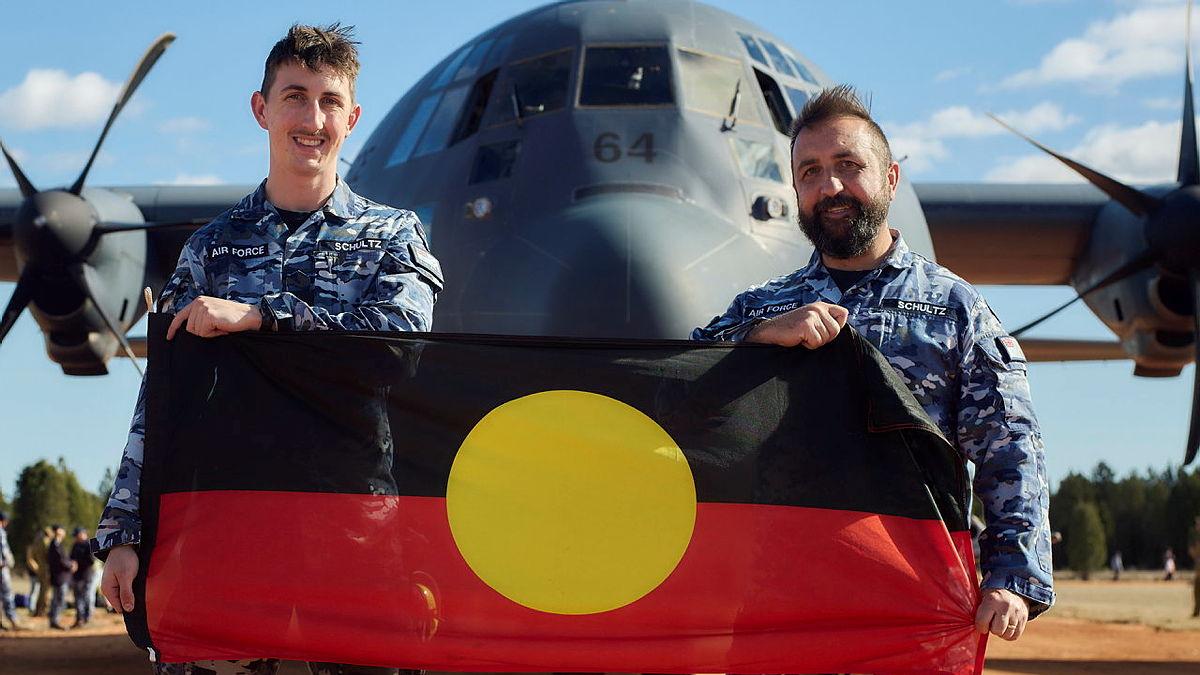
National Reconciliation Week (NRW) is not a loud moment for Richmond-based Wiradjuri and Ngunnawal man SGT Ron Schultz. It’s a deliberate one.
“For my family, National Reconciliation Week is a time for truth telling and learning,” SGT Schultz said.
“It’s about slowing down to listen, acknowledging Australia’s true history and recognising that the pain, resilience and strength of Aboriginal and Torres Strait Islander peoples continue to shape our shared present.”
Until recently, SGT Schultz served as an ILO with 22SQN at RAAF Base Richmond – a role where culture, service and leadership met. He supported culturally safe workplaces, strengthening engagement between Defence and Aboriginal and Torres Strait Islander communities, and ensuring Indigenous perspectives are embedded in everyday service life.
“My work as an ILO involved community networking and building connections, continuing to show up for Mob in community and programs and sharing culture on base at our Yarning Circle,” SGT Schultz said.
Returning now to his trade as a carpenter at 65SQN, he brings his values into his work every day, guided by the belief that reconciliation is lived, not labelled.
“Moving forward together takes honesty, respect, humility and compassion: in how we speak, what we teach our children and how we act towards one another,” he said.
The theme for this year’s NRW, “All in”, resonated deeply with SGT Schultz, who feels that it speaks to shared responsibility, especially within Defence.
“Being ‘All in’ means we don’t leave reconciliation to policy documents or one week a year," he said. "It means showing up every day with empathy and accountability, and being willing to listen to voices that haven’t always been heard.”
That sense of commitment underpins his pride serving in the Air Force. It’s a pride made even stronger by family – SGT Schultz serves alongside AC Zaylan Schultz, his son.
'Being ‘All in’ means we don’t leave reconciliation to policy documents or one week a year. It means showing up every day with empathy and accountability, and being willing to listen to voices that haven’t always been heard.'
“To wear this uniform as a Wiradjuri and Ngunnawal warrior and to serve alongside my son is something I hold with immense pride," Sgt Schultz said.
"Our shared service reflects a deep commitment to building strong, respectful relationships across the nation and across Aboriginal and Torres Strait Islander communities.”
For SGT Schultz, connection to Country remains central to identity, wellbeing and strength, regardless of rank or role.
“Recognising the importance of returning to Country is vital. It maintains cultural connection and identity, and supports the ongoing health and wellbeing of our people," he said.
"That connection is what ensures a strong future for generations to come.”
That strong future includes investing in Indigenous people through mentoring, leadership development, retention pathways and culturally informed support mechanisms that enable individuals to thrive over the long term.
Aboriginal and Torres Strait Islander peoples have a long and proud history of military service. Despite systemic discrimination and exclusion, thousands served – many of whom returned to unequal treatment, and were denied entitlements.
“Reconciliation requires recognising this service honestly and committing to respect, recognition and justice,” SGT Schultz said.
“Culturally safe leadership, regular check-ins, and real care for Aboriginal and Torres Strait Islander members are what make people feel valued and respected.”
He also points to the importance of investing in the future through mentoring, development and retention pathways that allow Indigenous members to thrive and lead.
“Build understanding through genuine relationships with Indigenous people and communities," SGT Schultz said.
"When we invest in people, we strengthen Defence as a whole.”
This NRW, SGT Schultz’s message was clear: “Reconciliation becomes meaningful when we pause to listen and tell the truth.”
Related stories


