Preparing for Australia’s strategic challenges
An ADF focused on deterrence, self-reliance and stronger partnerships underpins the 2026 National Defence Strategy, announced on April 16.
In announcing the strategy, Deputy Prime Minister and Defence Minister Richard Marles said, as an island trading nation, Australia’s sea lines of communication defined its national security.
“The geography of our national security lies well beyond our coastline or even our immediate waters,” he said.
“We therefore need a Defence Force that can be out there, that can engage in impactful projection.”
Released alongside the 2026 Integrated Investment Program (IIP), the new strategy builds on the 2024 National Defence Strategy, which made the Strategy of Denial the basis of Defence planning.
The 2026 strategy updates that approach, focusing the ADF on five tasks to deter force projection against Australia while preparing for strategic challenges over the next decade.
The strategy also emphasises sovereign industry, national resilience and closer coordination with regional partners.
The accompanying IIP outlines $53 billion in investment across all warfare domains over the coming decade.
'The geography of our national security lies well beyond our coastline or even our immediate waters. We therefore need a Defence Force that can be out there, that can engage in impactful projection.'
There is up to $130 billion for undersea warfare supporting the AUKUS submarine program and uncrewed maritime systems, and up to $77 billion in frigates and destroyers to support localised sea control.
On land, up to $59 billion will be directed to amphibious-capable, combined-arms systems, including uncrewed air and ground systems, landing craft, infantry fighting vehicles, helicopters and tanks.
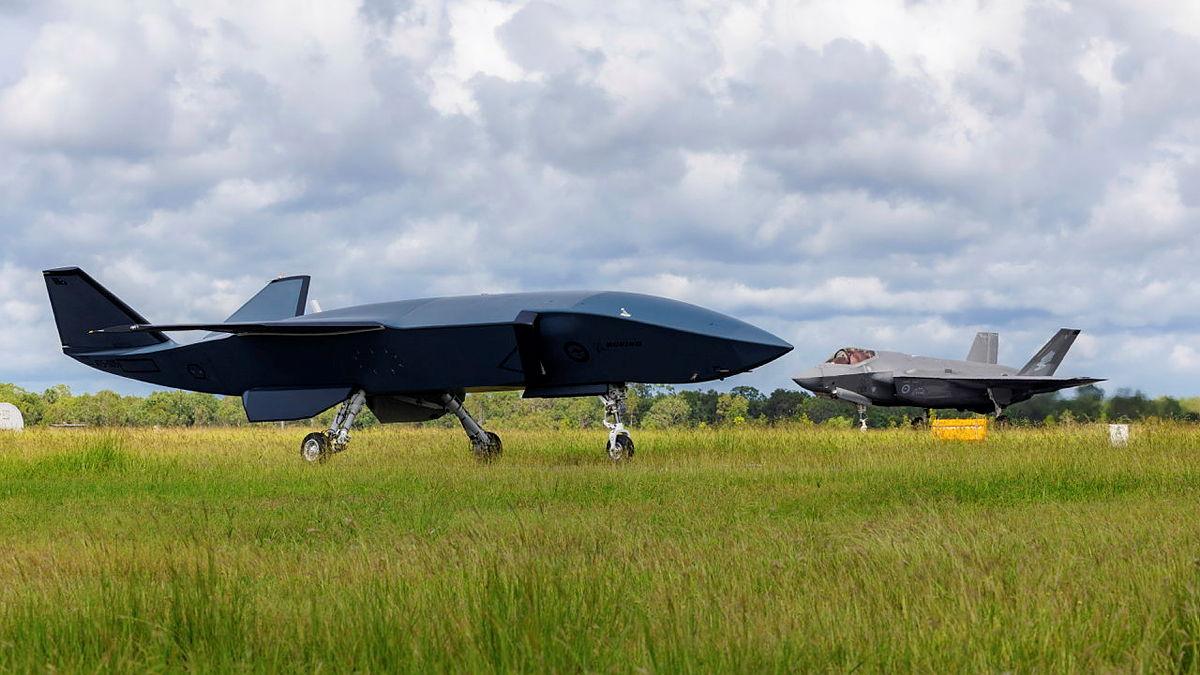
For the air, up to $41 billion will be invested in expeditionary air operations and long-range strike, including the MQ-28A Ghost Bat and other uncrewed systems.
Up to $35 billion of investments in hypersonic weapons, extended-range missiles and the targeting enterprise will directly support the Strategy of Denial.
Funding for theatre command and control, missile defence, and space and cyber capabilities aims to improve decision-making and protect the ADF across all domains.
Industry is central to the strategy, with investment to be focused on a defence industrial base that produces and sustains critical capabilities for the ADF that reduces vulnerability to supply chain shocks and over-reliance on concentrated sources of foreign supply.
Further funding will strengthen northern bases, logistics, health and cyber security, and support the Advanced Strategic Capabilities Accelerator.
The 2026 National Defence Strategy and Integrated Investment Program are available online at: defence.gov.au/nds
Related stories


