Adaptability is key for this aviator
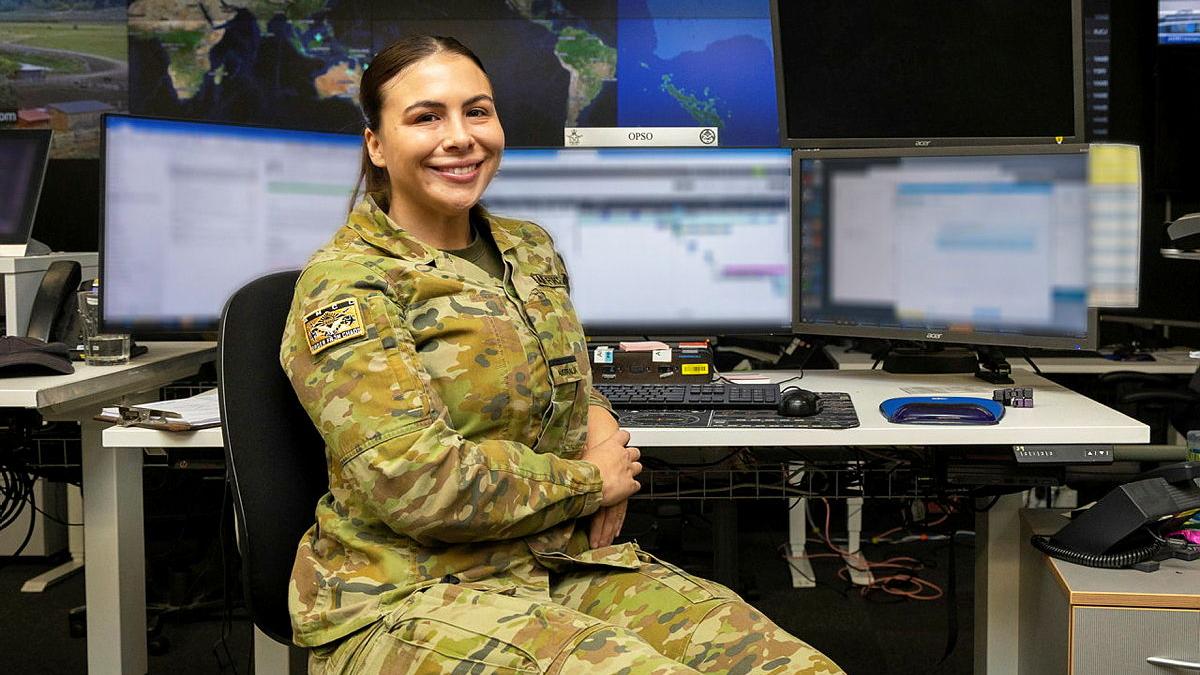
OPSO for the Air Mobility Control Centre FLGOFF Elisabeth Romei shares her experience making sure all the moving parts of Defence's air mobility come together.
Describe your role
I’m an OPSO within the Air Mobility Control Centre (AMCC). My role is to assist with the control and support of effective air mobility tasking across the network. I work with a range of stakeholders to ensure operational requirements are translated into achievable missions, balancing aircraft availability, crews, cargo, passengers and competing priorities. A large part of the job is maintaining situational awareness and helping ensure the right resources are allocated to meet Defence's air mobility requirements.
The biggest positive for me is the team. AMCC has highly capable people who are always willing to share knowledge and work together to achieve the mission.
I also enjoy the variety of the role. No two days are the same and there is a real sense of satisfaction in coordinating air mobility outcomes and supporting operations across Defence.
What does it take and why did you join?
I was about 25 when I joined. I’d already worked before joining Defence, which I think helped because I had some life experience and knew what I wanted out of a career.
I joined as an OPSO and I’ve stayed in the same specialisation. I liked the idea of doing something that would challenge me, having opportunities to travel and getting experiences that you probably wouldn’t get in a “normal” job. The officer and leadership side appealed to me as well.
I enjoy being busy and working towards a goal. I also really like problem solving, especially when something doesn’t go to plan and we work as a team to find alternate solutions. It can definitely be stressful at the time, but when everything comes together and the mission succeeds, it’s a really good feeling.
What kind of qualifications does an OPSO need?
Aside from the standard requirements to join as an officer, once in, you complete officer training and then OPSO training. You definitely don’t finish your initial training knowing everything. A lot of it comes from actually doing the job and learning from the people around you.
I think the most valuable skill is being adaptable. Things constantly change and sometimes the plan you had in the morning is completely different by the afternoon. You need to be organised, communicate effectively and be able to stay relatively calm when things aren’t going to plan.

Describe a typical day at work
To be honest there isn’t really a typical day, which is probably what I like about it. There are meetings and briefs, planning, coordinating with different areas and dealing with whatever comes up throughout the day. Some days are straightforward and other days something changes and suddenly that becomes your entire day. A lot of the job is basically making sure all the moving parts come together.
What is your work-life balance like?
I’m posted to RAAF Richmond – it’s busy, close enough to Sydney and offers plenty to do outside of work.
There are busy periods where work comes first, but there are quieter periods as well. The work-life balance is mostly pretty good, but flexibility is key.
My current role doesn’t involve shift work, but some OPSO positions do. I’ve experienced both, so it’s something you need to be prepared for throughout your career. OPSOs can also deploy. There are opportunities for exercises, operations and other activities both within Australia and overseas.
Why join?
Being an OPSO would suit anyone who enjoys problem solving, being adaptive, variety and teamwork.
OPSOs are often the people who bring all the pieces together. While we may not be the technical experts in every field, we become experts in the procedures, coordination and decision-making that connect those fields. We develop a broad understanding of the operational environment, allowing us to see the bigger picture and help turn complex requirements into mission outcomes.
Be willing to ask questions, get involved and take opportunities when they come up. You’ll probably end up doing things you never expected when you first joined.
Related stories


