CT-4A closes a chapter
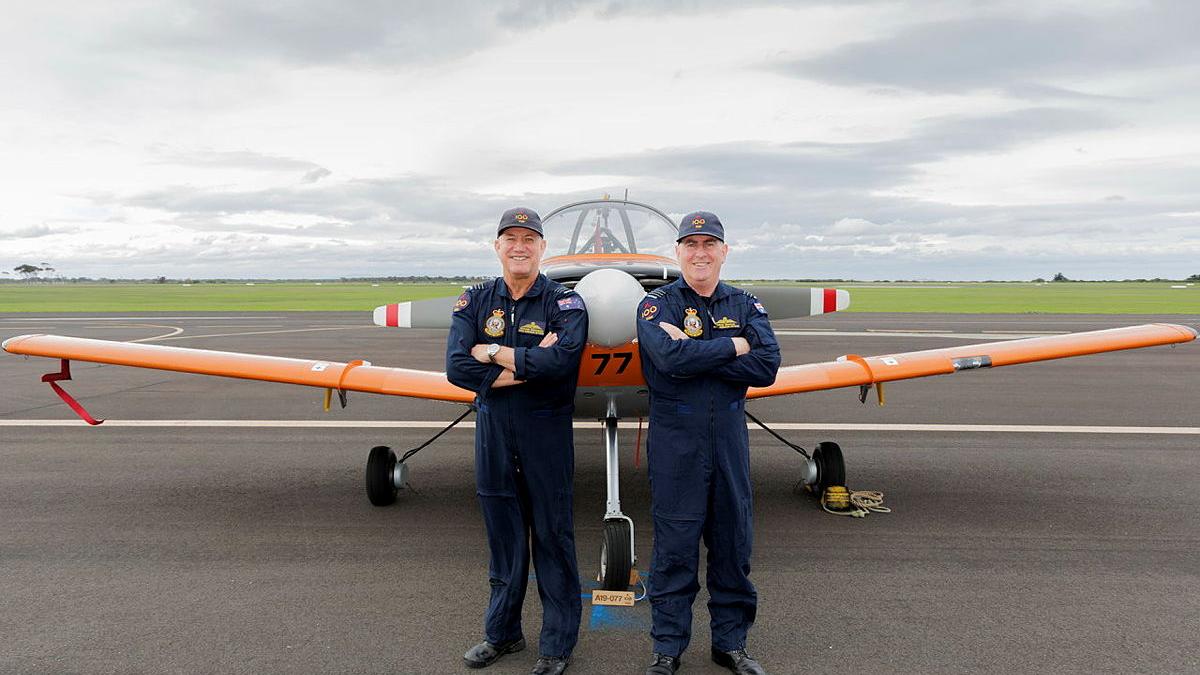
After five decades of introducing military aviators to flying, the Air Force's CT-4A trainer aircraft has completed its final flight.
On June 18, the iconic aircraft took to the skies above RAAF Base Point Cook one last time, closing a chapter in Australian military aviation history at the very place where both the Air Force and the CT-4A's service journey began.
Its retirement marked the end of an aircraft type that quietly shaped generations of military air power.
Introduced into Air Force service in 1975, the New Zealand-built CT-4A became the first military aircraft thousands of aviators would fly. For decades, it provided the foundation upon which operational careers were built.
WGCDR David Chaplin, who piloted the final display flight, knows that legacy firsthand.
“There’s a whole lot of air power that has come from this aircraft,” WGCDR Chaplin said.
“It was the first powered aircraft I flew. I joined the Air Force here at Point Cook in January 1980, and when we arrived on base, all we could see were CT-4s flying around.”
For many aviators, the distinctive silhouette and bright colours of the CT-4A became synonymous with the beginning of a military flying career, with the aircraft being the catalyst for members to fly some of Australia's most advanced air combat, air mobility, maritime patrol and rotary-wing capabilities.
“Pretty much everybody who came through the services completed training on that aeroplane – Army, Navy and Air Force,” WGCDR Chaplin said.

Its final display flight over Point Cook represented a tribute to the instructors who taught from its cockpit, the engineers who sustained it, the air traffic controllers who guided it and the generations of aviators who took their first steps towards operational service behind its controls.
For WGCDR Chaplin, being entrusted with the final display flight carried significant emotional weight.
“When the CO asked me to conduct the flying display for the CT-4's final day, it was a little emotional,” he said.
“After the display, I started thinking about all the people who had trained on the aircraft and all those who had supported it over the years – engineers, administrators, air traffic controllers and instructors.”
Among those reflecting on the aircraft's legacy was reservist SQNLDR Peter Grieves, who completed his own first military flight in the same aircraft now entering retirement.
“There’ll be a lot of people catching up and sharing memories,” SQNLDR Grieves said.
“Some of them were stressful memories but still fond memories, especially here at Point Cook, which teaches you to fly in just about every type of weather you can get.”
As the CT-4A passed overhead for its final time in service, it served as a reminder that the aircraft's greatest contribution was not the flying it performed itself, but the generations of military aviators it launched into service.
Related stories


