Turning the Triton from unknown to operational
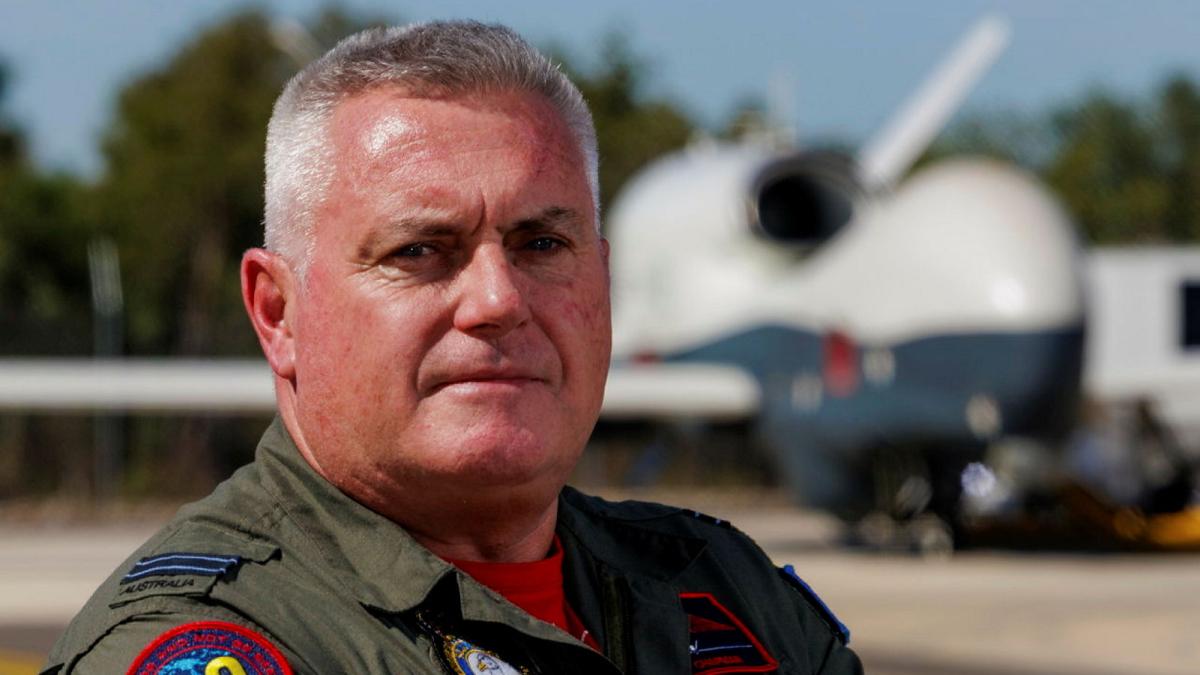
With more than seven years’ experience in Navy helicopters and about 23 years flying RAAF maritime patrol aircraft, it has been relatively straightforward for FLTLT Nicholas Chapman to transfer skills from one aircraft type to another.
But that all changed when he became a pilot training and standards officer for the newly acquired MQ-4C Triton.
“Aircraft are quite similar when you’re flying them, but when you come to something uncrewed like this, you don’t know what you don’t know,” FLTLT Chapman said.
While an initial team received training in the US, Australian pilots needed to qualify rapidly as aircraft captains and develop a training program.
“The United States Navy conversion training was a firehose of information and techniques designed to fill in the gaps for people who’ve already captained maritime patrol aircraft and understood the role,” FLTLT Chapman said.
This wasn’t the case for many of the initial cohort of Australian Triton pilots.
So, FLTLT Chapman and the team started working out what the training of RAAF Triton captains of the future needed to involve.
Along the way this meant analysing US techniques to see what worked for RAAF.
“The American procedures are the baseline for our techniques, but we wanted to develop them a bit more and make them Australian,” FLTLT Chapman said.
“How we’re going to fly it, how we’re going to deal with malfunctions, then we’ve got to work out how to teach that.
“Unlike the introduction of other new platforms, our lack of knowledge and experience with large remotely piloted aircraft complicated the process.”
‘There’s a lot of people working tirelessly to make this happen. It’s a big deal. There’s a lot we have to learn.’
FLTLT Chapman’s team had to develop the Australian procedures for operating the aircraft, including writing the training curriculum and developing instructors, then conducting all the initial pilot upgrade assessments and qualifications.
“Our initial group of young pilots have done a great job of transferring their previous aviation experience and skills to the complexities of Triton and enabled us to reach important milestones in a short period of time,” he said.
For his work helping bring Triton into service, FLTLT Chapman received a Conspicuous Service Cross in this year’s King’s Birthday honours.
The citation noted his “outstanding dedication, foresight and technical leadership”, along with “remarkable skills and judgement” in handling a “complex” system.
FLTLT Chapman was humbled by the award, but quick to pass credit to his team.
“There’s a lot of people working tirelessly to make this happen. It’s a big deal. There’s a lot we have to learn,” he said.
Related stories


