Autonomous aircraft boost reach
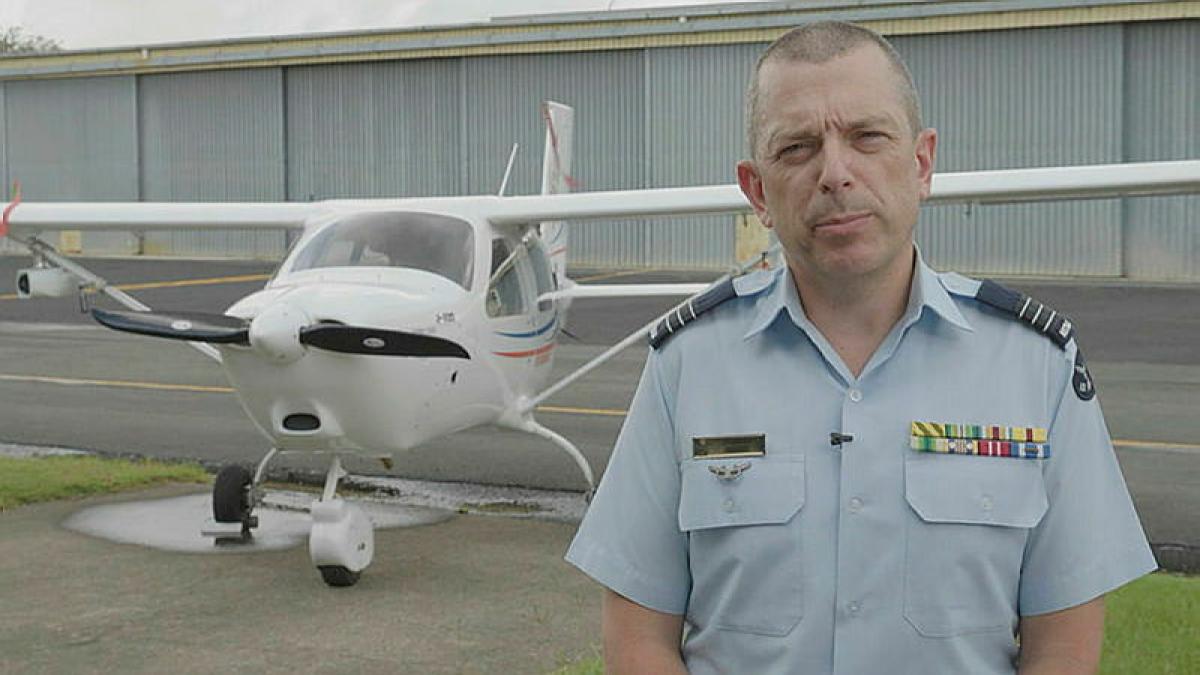
Air Force’s Jericho Disruptive Innovation (JDI) team is making headway on autonomous aerial logistics systems to support agile operations and foster resilience in Defence capacity.
Deputy Director Disruptive Experimentation WGCDR Keirin Joyce said Jericho was leading the development of these technologies to ensure Air Force was ready for the future.
“By taking on routine logistics missions, autonomous aircraft will free up our aviators and crewed platforms for the tasks only people can do – particularly in demanding or contested conditions,” WGCDR Joyce said.
To address the vast distances of Australia’s north, JDI is prototyping JabX – an uncrewed aerial system (UAS) based on the Jabiru 400 airframe – through Project Camel Train.
Developed with Brisbane-based RFDesign, JabX features robust avionics and an advanced graphical user interface for mission oversight.
Through the establishment of dedicated UAS flight corridors, Camel Train aims to link remote airfields and coastal bases into a precision delivery network.
‘By taking on routine logistics missions, autonomous aircraft will free up our aviators and crewed platforms for the tasks only people can do.’
“By automating cargo movement across the north, we strengthen our logistics tail,” WGCDR Joyce said.
“It ensures dispersed teams – from littoral operators to personnel at remote airbases – remain supported without over-tasking our crewed transport fleet.”
For autonomous logistics to become a reality, these robotic aircraft must be able to navigate crowded or contested airspace as safely as a human pilot. This is the mission of Project Arena, being undertaken by JDI.
Partnering with Sydney-based company Mission Systems, JDI is developing Boobook-DAA, a compact detect-and-avoid radar.
Boobook-DAA functions as the aircraft’s “eyes”, replicating a pilot’s ability to detect and avoid other airspace users.
The radar is designed to detect other aircraft in the sky, day and night, out to at least 7km.
Together, the technical advances of projects Camel Train and Arena will allow aviators to focus on mission command and complex decision-making, rather than routine tasks.

Related stories


