Home is where the aircraft is
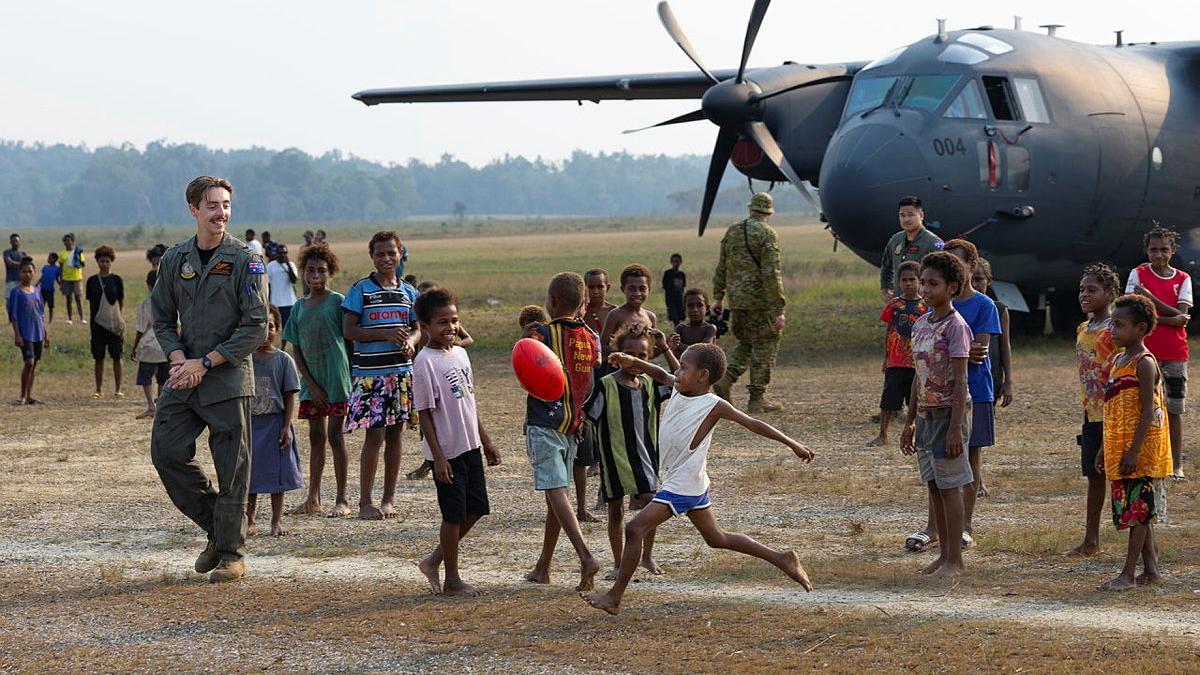
There was no established accommodation waiting for RAAF at Green River, Papua New Guinea. Instead, 35SQN brought what it needed.
During Exercise Kapa Pisin 26, personnel used agile field kits to establish a temporary operating and living footprint at the remote airfield, testing how to sustain aviation operations with limited infrastructure.
“Our agile field kits are scaled kits that you can pull depending on the scenario that you are in,” CO 35SQN WGCDR Mark Seery said.
The kits range from basic overnight essentials to equipment designed to improve comfort and reduce fatigue, helping personnel remain effective while operating away from established facilities.
For FLGOFF Matt Canafe, the pilot who flew into Green River, the experience began with a challenging arrival.
“Smoke from fires in the area and a complex terrain complicated the approach, but the aircraft landed safely,” FLGOFF Canafe said.
Exercise Kapa Pisin was his first time flying in PNG and the first time the squadron had tested a field setup overseas.
Once the aircraft was parked, the local community came out to welcome the crew.
“My top memory was kicking the footy with all the kids and the community just after landing,” FLGOFF Canafe said.
“Everyone was so welcoming and had lots of questions. Seeing the smiles on their faces and interacting with everyone was such a wholesome experience.”

For the crew, sleeping next to the aircraft also brought practical advantages. Keeping facilities and equipment close together made the operating area easier to manage and secure, while reducing the time between preparing for the day's flying and getting airborne.
“We started crew duty at 0630, got the brief and essentially took off in an hour,” FLGOFF Canafe said.
The trial also revealed areas for improvement within a tropical environment, reinforcing that the kits remain a work in progress.
“We’re still in the testing phase of all our kits, so it’s a test-and-adjust process,” FLGOFF Canafe said.
For WGCDR Seery, the ability to adapt support arrangements to the environment is essential to Air Mobility Group's operational flexibility.
“Air Mobility Group is always getting asked to go into austere and remote locations,” WGCDR Seery said.
“Those locations may be impacted by disasters or crisis, which means you don’t necessarily have access to accommodation or necessities like water and food sustainably.
“Being able to respond to those situations means Air Mobility Group as a whole provides more options to government and more options to the joint force whenever a scenario unfolds.”
The exercise at Green River practically tested a simple idea: air power does not always have to start from established infrastructure. Sometimes, the base has to come with you.

Related stories


